
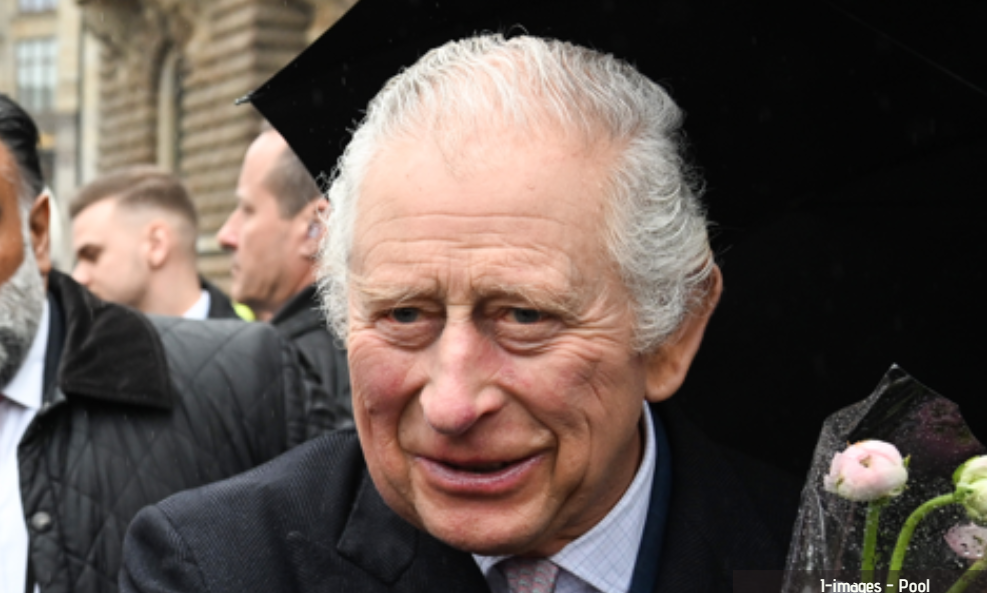
Clarence House is to become the King’s official London residence in one of the most significant constitutional shifts of Charles’s reign, ending nearly 190 years in which Buckingham Palace has served as the monarch’s principal home.
The decision means King Charles and Queen Camilla will remain at Clarence House even after the £369 million refurbishment of Buckingham Palace is completed next year, with the historic palace instead continuing as the ceremonial and administrative headquarters of the monarchy.
The move marks a striking departure from royal tradition. Since Queen Victoria established Buckingham Palace as the sovereign’s official residence in 1837, it has been both the monarch’s home and the centre of royal life. Charles has now decided that Clarence House, where he and Camilla have lived since their marriage in 2005, will continue to fulfil that role for the remainder of his reign.
Palace officials said the decision was reached after “careful consideration” and would allow Buckingham Palace to welcome more visitors while preserving its position as the nation’s foremost royal building.
Rather than relocating themselves and their household once the decade-long renovation project is complete, the King and Queen will continue living next door, with Buckingham Palace remaining the venue for state banquets, investitures, diplomatic receptions, audiences with the Prime Minister and other major royal occasions.
James Chalmers, the Keeper of the Privy Purse, said the King and Queen would continue to have access to private apartments within Buckingham Palace where they could retire during the working day or stay overnight when necessary. However, he made clear that Clarence House would remain their permanent London residence.
He described the arrangement as “a change from the past and a recognition of the future”, while insisting Buckingham Palace would continue to function as “the ceremonial and operational centre of royal life”. A palace spokesperson said the building would remain “a buzzing hive of royal activity”.
Officials believe the new arrangement will allow greater public access to Buckingham Palace by reducing the security restrictions that inevitably accompany a monarch living there full time. The palace already opens its State Rooms during the summer and on selected dates throughout the year, with longer opening periods expected to generate additional visitor income.
The decision also reflects practical considerations. Both Charles and Camilla are now in their late seventies and are understood to have had little appetite for moving themselves and dozens of staff into Buckingham Palace after more than two decades at Clarence House.
The extensive refurbishment programme, due to conclude next March, has involved replacing ageing electrical wiring, plumbing, lead pipework and boilers, much of which had remained untouched for around 60 years. The work was commissioned to reduce the risk of catastrophic fire and water damage while modernising one of Britain’s most recognisable buildings.
The announcement was made alongside the publication of the Royal Household’s annual financial accounts, which revealed that Charles has become the first British monarch to publish details of the tax he pays.
The King paid £12.9 million in income and capital gains tax during the 2024-25 financial year, following a payment of £11.7 million the previous year. Although there is no legal requirement for the sovereign to pay tax, the practice has continued voluntarily since 1993.
The accounts also showed that the temporary increase in the Sovereign Grant used to finance Buckingham Palace’s refurbishment will come to an end, with public funding falling from £137.9 million to £99.9 million from 2027-28. Even so, the grant will remain significantly higher than before the refurbishment began, with additional funding earmarked for maintenance across the occupied royal estate, cybersecurity improvements and new energy-efficient heating systems.
The Guardian reported that Clarence House is now expected to remain the King’s London residence for the duration of his reign, although it is not yet known whether the Prince of Wales will restore Buckingham Palace as the sovereign’s primary home when he eventually succeeds his father.