
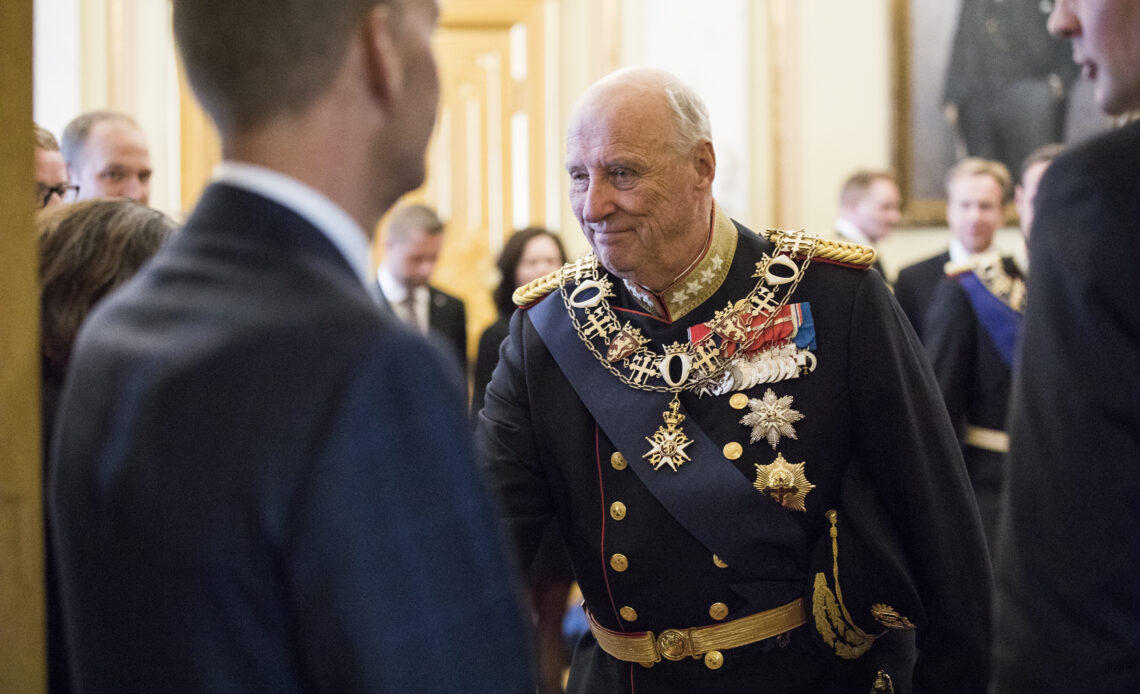
There are some people who become so closely woven into the life of a nation that it is difficult to imagine the country without them. For Norway, King Harald V is one of those people.
The news of the king’s illness has therefore always felt different from an ordinary report about the health of a public figure for the Norwegian people. I feel that, too.
The 89 year old king remains in hospital, where he is receiving antibiotics for a bacterial infection in his bloodstream. The Royal Court has said that he is responding to treatment and that his condition is stable. Crown Prince Haakon is carrying out the constitutional duties of regent.
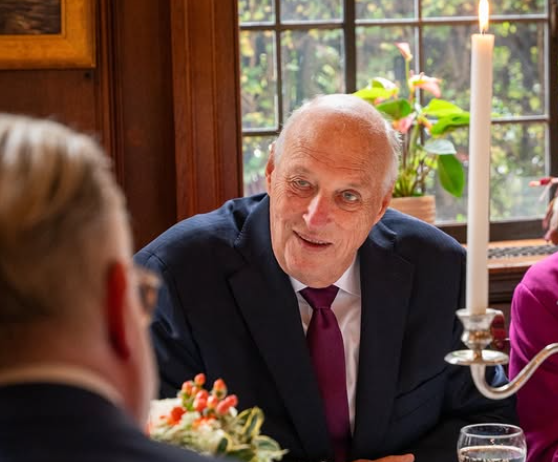
For all Norwegians this news is every reason to hope for the King’s recovery. Yet moments such as this inevitably make us reflect.
My king has ruled my homeland longer than I have been alive, since 1991 he has been our monarch. People at my age and younger have never known another Norway, than King Harald’s Norway. Over the past 35 years, Norway has changed enormously. Governments have come and gone. The country has become wealthier, more diverse and in many respects less formal. Through it all, King Harald has remained. Perhaps that constancy is part of the reason he has become so deeply respected.
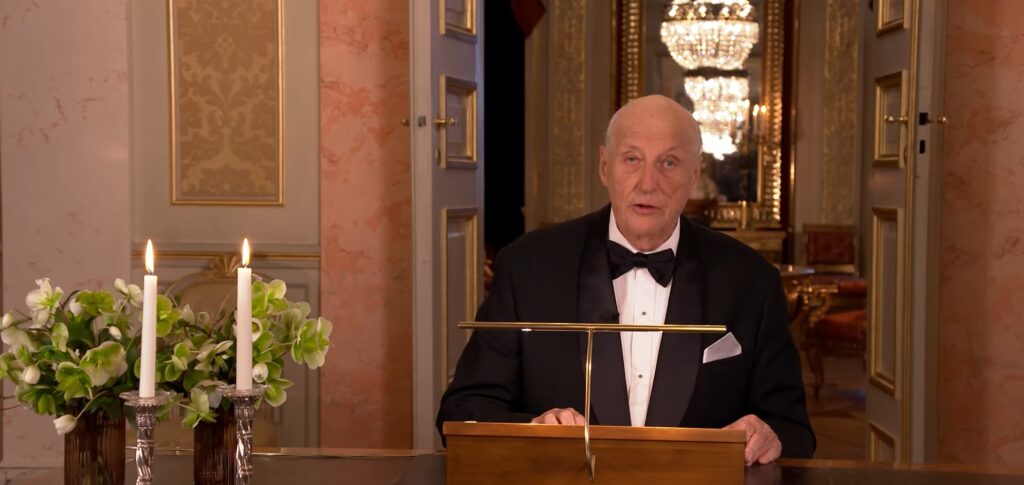
King Harald has never needed to dominate Norwegian public life. His presence has instead been quiet and reassuring. He is there on the palace balcony on Constitution Day. He speaks to the nation at New Year. He represents Norway abroad and receives foreign leaders. In moments of celebration, tragedy and uncertainty, the king, my king has been part of the national background.
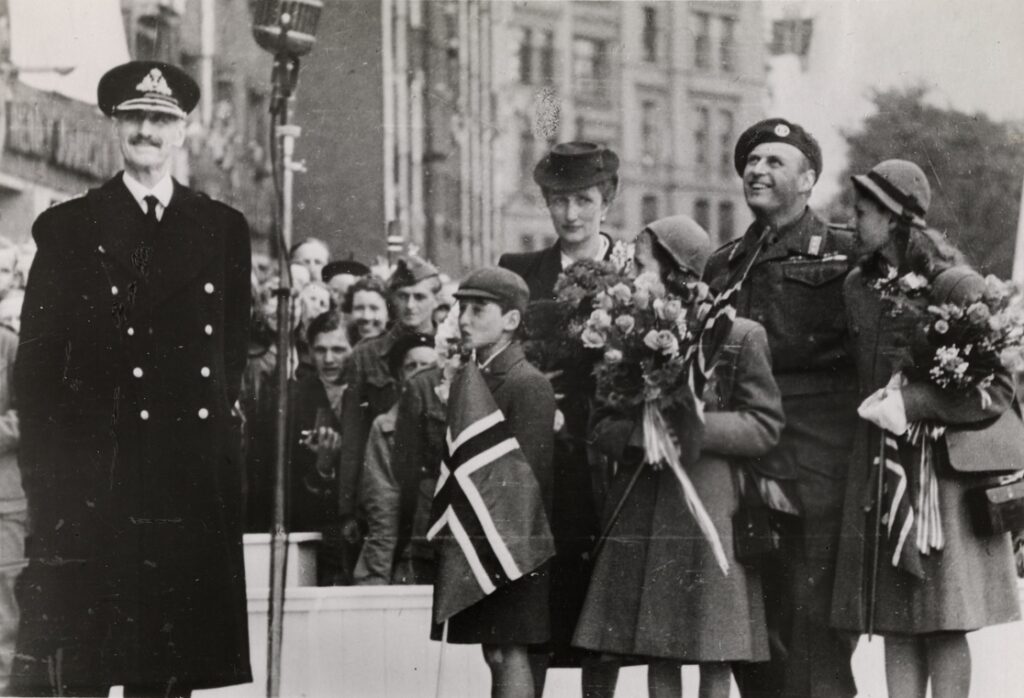
(By Oslo Museum – CC BY-SA 4.0, Wiki Commons)
Behind the monarch is also a remarkable personal connection with Norwegian history. Born as Prince of Norway in 1937, he was only three years old when Germany invaded Norway in 1940. He experienced exile during the war. His grandfather was King Haakon VII, the monarch who became a symbol of Norwegian independence in 1905 and Norwegian resistance in 1940. His father was King Olav V, remembered affectionately as “the People’s King”.
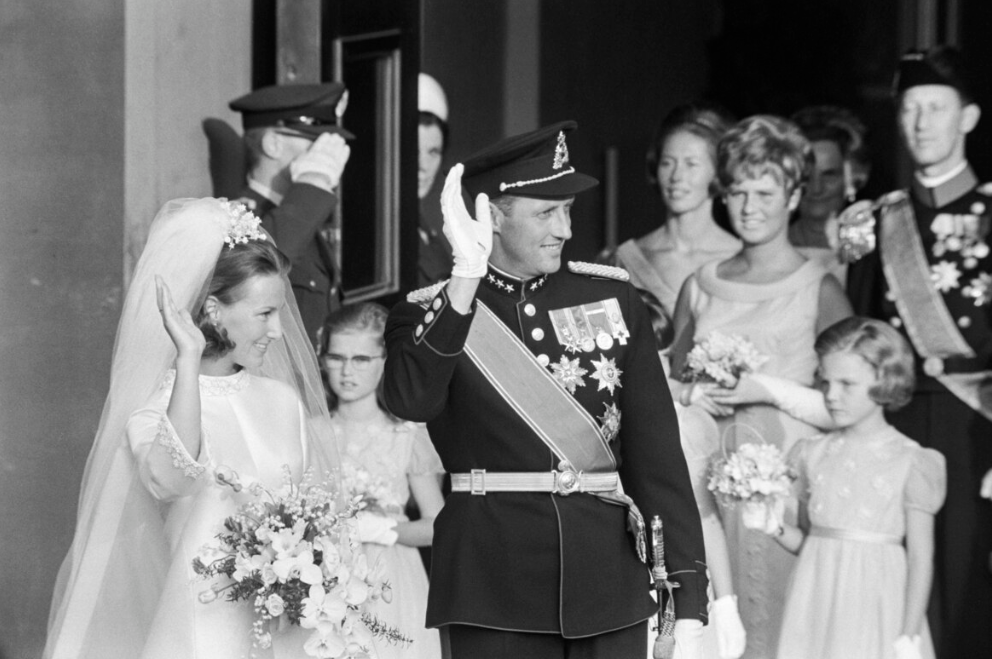
(By Urpo Rouhiainen – https://finna.fi/, CC BY 4.0, Wiki Comons)
Harald is therefore a living link with people and events that increasingly belong to history. But he has never seemed trapped by that history. His long struggle to marry Sonja Haraldsen showed a man prepared to challenge royal convention when something truly mattered to him. As King, he has also demonstrated an ability to understand a Norway very different from the one into which he was born.
Then there is his humour. His warmth. His ability to laugh at himself. These qualities have made the crown seem human without diminishing its dignity. In recent years, we have also watched the king grow visibly older. Hospital stays, illness, a pacemaker and periods of sick leave have reminded us that even our King is mortal.

( Liv Anette Luane, Det kongelige hoff)
That is perhaps why the present moment feels so poignant. Crown Prince Haakon has through his father’s many periods of illness become an experienced regent, and the Norwegian monarchy continues exactly as it should.
Institutions are one thing. People are another. For more than three decades, Harald has been the face of the Norwegian monarchy. Norwegian society is characterized by unrest these days. Even republicans and critics share a collective pain in the stomach over the fact that nothing lasts forever. To quote Norwegian republicans: “King Harald has made it difficult to be a republican in the Kingdom of Norway”.
Oskar Aanmoen is a writer and journalist based in Norway.