
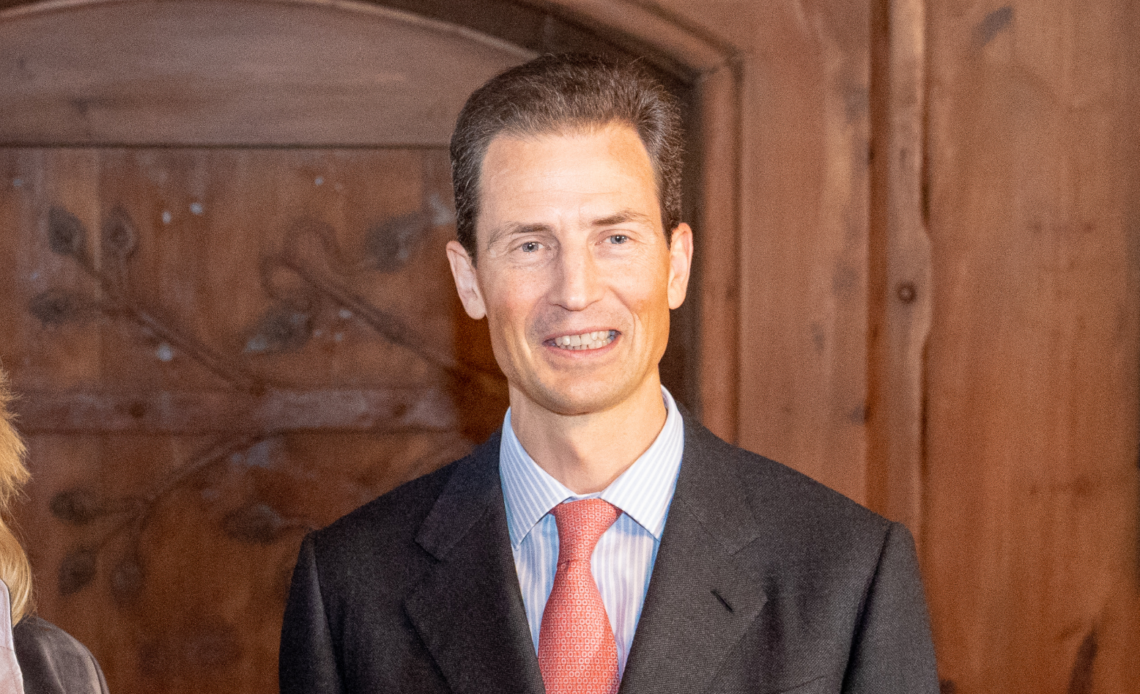
Prince Alois of Liechtenstein has blocked abortion law reform despite parliamentary approval and a public campaign for change. It may be lawful but, I have to say, for me that does not make it democratically defensible.
What is the point of a parliament if one unelected individual can prevent its decisions from becoming law?
That is the question Liechtenstein must now confront after Hereditary Prince Alois refused to approve legislation that would have liberalised the country’s abortion laws.
The proposed reform followed a citizens’ initiative backed by thousands of signatures and received parliamentary approval. Yet the efforts of campaigners and elected representatives have failed to secure a change in the law because Alois has exercised his constitutional authority to block it.
This is not simply a debate about abortion. It is about power, accountability and whether one hereditary ruler should have the final say over decisions made by elected representatives.
How can one Prince stop a law passed by parliament?
Liechtenstein’s political system differs significantly from that of the United Kingdom.
Its parliament, the Landtag, has 25 members elected for four-year terms. Deputies debate legislation and vote on proposed laws, while citizens can also use direct-democratic mechanisms, including popular initiatives and referendums.
But parliamentary approval alone is not enough to enact legislation.
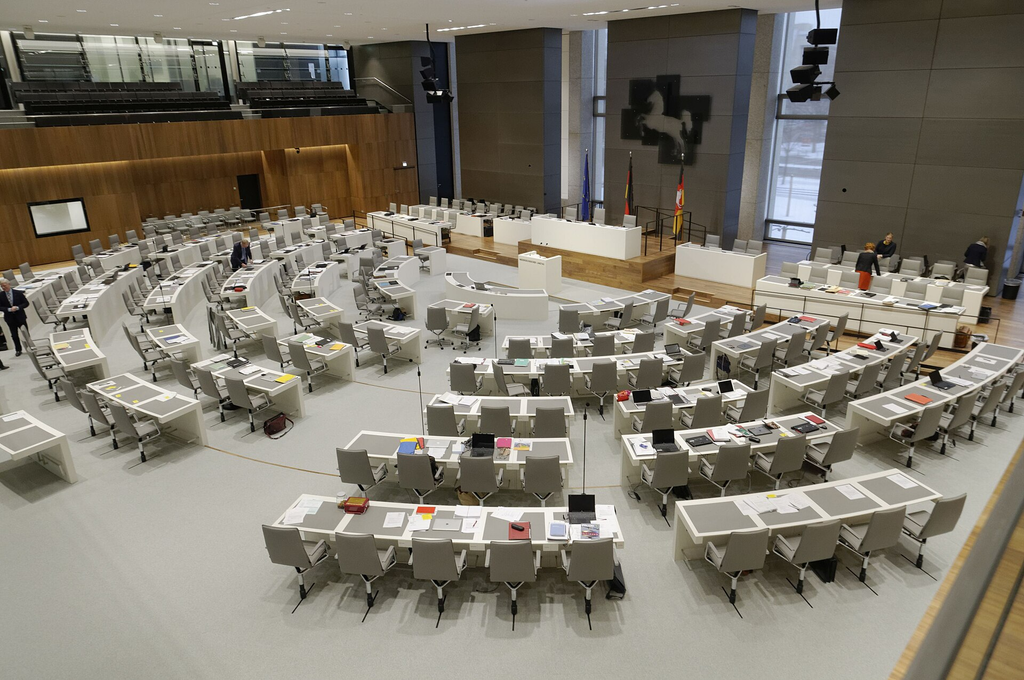
Under Article 9 of Liechtenstein’s constitution, laws require the reigning Prince’s sanction to acquire legal force. Article 65 sets out further requirements for legislation to become valid, including parliamentary approval, princely sanction, a government countersignature and publication.
The Prince’s approval is therefore a constitutional requirement, not merely a ceremonial formality.
In 2012, Liechtenstein’s voters rejected a proposal to remove the Prince’s veto powers. That decision must be acknowledged, but it does not mean the exercise of those powers should be beyond criticism. Even if those criticisms come from countries looking on from outside.
Alois has acted within the constitutional system Liechtenstein has chosen to retain. The question is whether that system gives one unelected individual too much authority over decisions that affect the lives of the people he serves.
Having the power to do something does not automatically make its exercise democratically defensible.
Religion and its place in modern political decisions
Behind the constitutional arguments are women whose lives are affected by the laws Alois has chosen to preserve.
The proposed reform would have permitted abortions during the first 12 weeks of pregnancy. Its defeat means existing restrictions remain, with women seeking terminations outside the limited circumstances permitted by law having to travel abroad.
That can mean additional costs, arranging transport, finding childcare and navigating an already difficult situation away from home.

Alois does not have to face those practical consequences himself. Yet his decision helps determine the circumstances in which women throughout Liechtenstein must navigate them.
Supporters of the Prince’s position will argue that protecting unborn life is a legitimate responsibility of the state. People are entitled to hold that view.
But whatever one’s position on abortion, the constitutional question remains: how much power should one unelected individual have to determine the choices available to others?
This argument does not depend on whether you support abortion rights or oppose them. You may believe women should have access to abortion, or that unborn life deserves greater legal protection.
Either way, it should concern us all when one unelected man can block legislation approved by an elected parliament.
Today, the decision concerns abortion. Tomorrow, it could concern something else entirely. The issue is not whether you agree with the outcome, but whether you believe one person should have the power to impose it.
Europe has already confronted this problem
Liechtenstein is not the first European monarchy to face questions about a sovereign’s role in legislation.
In 1990, Belgium’s King Baudouin refused to sign legislation liberalising abortion. The country found a constitutional solution that allowed the law to take effect without requiring the King personally to endorse it.
In Luxembourg, Grand Duke Henri’s refusal to approve legislation concerning euthanasia led to constitutional changes in 2008 that removed the sovereign’s role in sanctioning laws.
These examples demonstrate that royal objections need not bring legislative reform to a permanent halt.
The comparison with Monaco is particularly striking. In 2025, Prince Albert II refused to approve legislation that would have liberalised abortion in his principality. Now, in Liechtenstein, Alois has blocked a similar reform.
Different countries have different constitutional arrangements, but both cases raise the same fundamental question: should a hereditary ruler be able to prevent elected representatives from changing the law?
The final word belongs to whom?
There will be those who argue that Alois is fulfilling his constitutional responsibilities. Others will defend his position on the grounds that protecting unborn life is a legitimate priority.
Those arguments can be debated. The Prince’s decision should not be misrepresented as unlawful simply because it is controversial.
But legality does not end the discussion.
A constitutional arrangement can be lawful while raising legitimate questions about democratic accountability. The existence of a power does not mean its exercise should be immune from scrutiny.
Liechtenstein’s citizens campaigned for change, and their elected representatives approved the proposed reform. Yet the legislation has been blocked because the hereditary prince withheld his sanction.
A parliament cannot have the final say over legislation when an unelected individual retains the power to overrule its decisions.
Liechtenstein has every right to debate its abortion laws. It also has every right to debate the constitutional powers of its ruling family.
The question is not whether Alois had the power to block this reform. Under Liechtenstein’s constitution, he did.
The question is whether a modern democracy should accept that one unelected individual can have the final word.
If democracy means anything, it must mean more than allowing elected representatives to approve legislation before a hereditary prince decides whether their decision counts.