
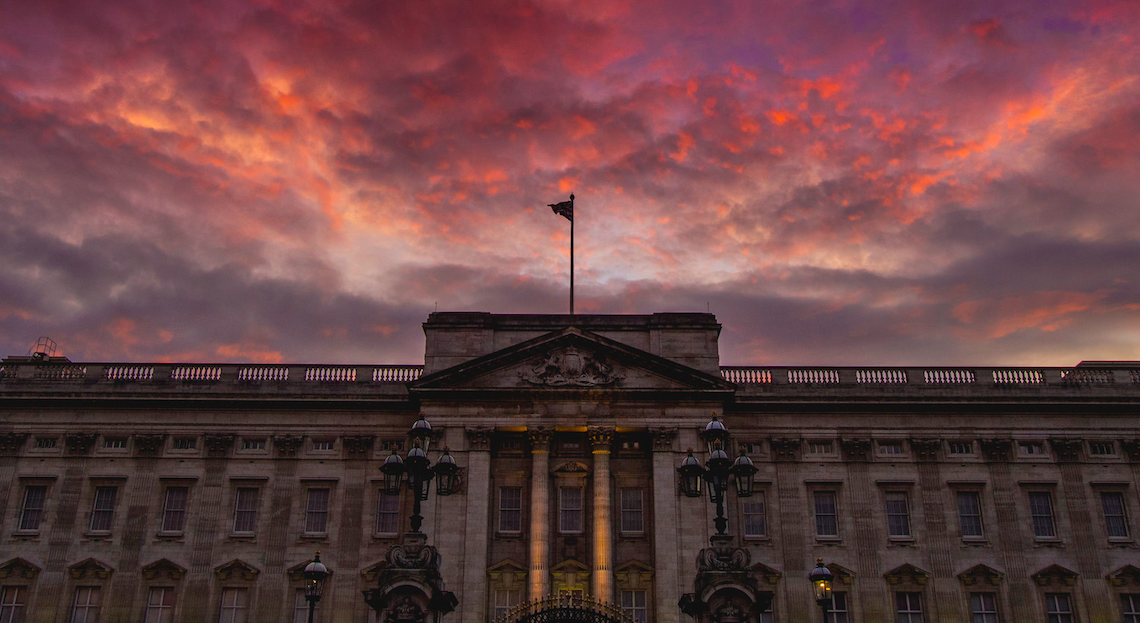
The King and Queen will not move into Buckingham Palace once its £369 million refurbishment is completed next year, bringing an end to almost two centuries of royal tradition and ensuring that Clarence House remains the monarch’s London home for the foreseeable future.
The decision, first reported by the BBC and confirmed in the Royal Household’s annual financial accounts, means Buckingham Palace will continue to serve as the ceremonial and administrative heart of the monarchy rather than the King’s principal residence.
Instead, Charles and Queen Camilla will remain at Clarence House, where they have lived together since their marriage in 2005. Palace officials said the arrangement had been reached after “careful consideration” and would enable greater public access to one of Britain’s best-known landmarks.
The choice marks a significant departure from precedent. Buckingham Palace has been the official London residence of the sovereign since Queen Victoria moved there in 1837, with successive monarchs making it both their home and the centre of royal life. While Victoria herself spent lengthy periods away from the palace following Prince Albert’s death, no reigning monarch has chosen another permanent London residence.
Officials insisted the palace would lose none of its constitutional importance. State visits, investitures, diplomatic audiences, garden parties and major receptions will continue to be held there, while the King and Queen will retain private rooms within the building for use during official engagements and occasional overnight stays.
James Chalmers, the Keeper of the Privy Purse, said the arrangement represented “a change from the past and a recognition of the future”, while stressing that Buckingham Palace would remain “the ceremonial and operational centre of royal life”. A palace spokesperson said the King retained “huge affection” for the building and described it as a “buzzing hive of royal activity”.
The decision reflects practical as well as symbolic considerations. Charles and Camilla, both in their late seventies, are understood to have been reluctant to undertake the upheaval of relocating themselves and their household after more than two decades at Clarence House. Palace officials also believe that keeping the monarch’s permanent residence elsewhere will make it easier to welcome visitors into Buckingham Palace for longer periods each year.
The ten-year refurbishment programme is due to conclude in March after extensive work to modernise infrastructure that had become increasingly outdated. Electrical wiring, plumbing, boilers and other essential services have been replaced, much of it for the first time in around 60 years, amid concerns over the risk of fire and water damage.
The announcement came alongside the publication of the monarchy’s latest financial accounts, which revealed that Charles has become the first British sovereign to disclose how much tax he pays.
According to the accounts, the King paid £12.9 million in income and capital gains tax during the 2024-25 financial year, following a payment of £11.7 million the previous year. Although the monarch is under no legal obligation to pay tax, the practice has continued voluntarily since 1993.
The accounts also show that the temporary increase in the Sovereign Grant used to finance Buckingham Palace’s refurbishment is drawing to a close. Public funding for the monarchy will fall from £137.9 million to £99.9 million in 2027-28, although the settlement remains considerably higher than the core grant before the renovation project began. The additional funding will be used to address maintenance across the occupied royal palaces, improve cyber security and install more energy-efficient heating systems.
The Guardian reported that Clarence House is now expected to remain the King’s official London residence for the duration of his reign. It remains unclear whether the Prince of Wales will restore Buckingham Palace as the monarch’s primary home when he eventually succeeds to the throne.
For now, Britain’s most recognisable royal residence will continue to provide the backdrop for state occasions and national celebrations. Yet when the day’s engagements are over, the King will return not to Buckingham Palace, but to the more modest surroundings of Clarence House—a decision that quietly redraws one of the monarchy’s oldest traditions.