
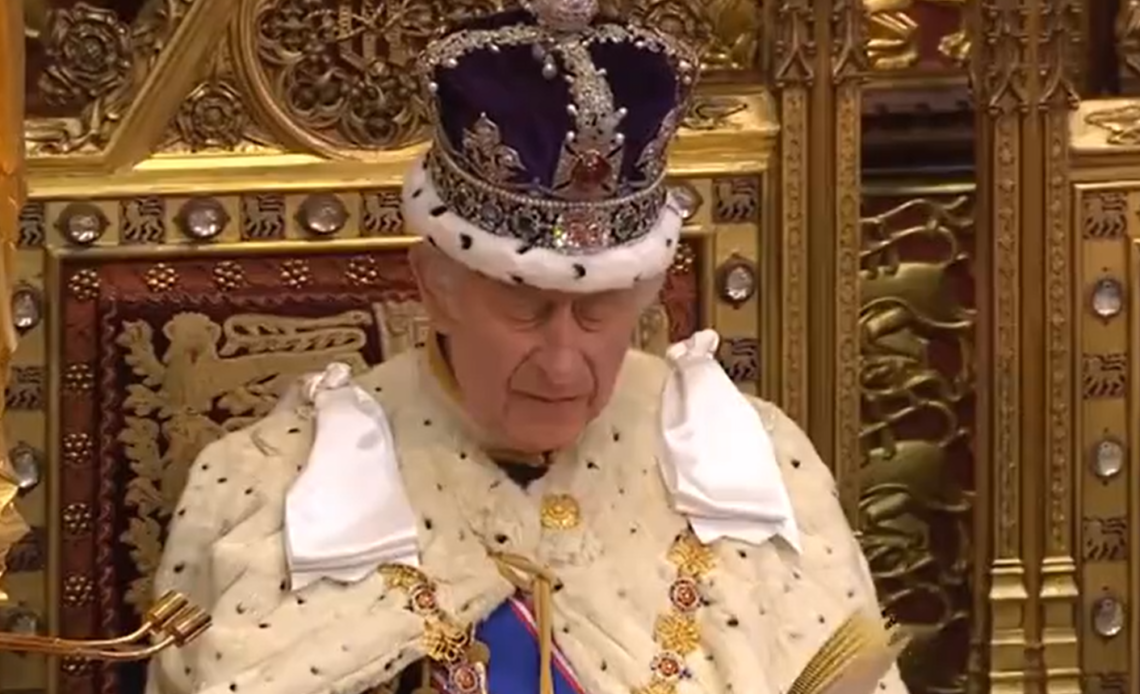
One of the strangest traditions of the State Opening of Parliament sees an MP ceremonially “held hostage” at Buckingham Palace while the monarch travels to Westminster.
The ancient custom, which dates back to the reign of Charles I and the English Civil War, is intended to guarantee the Sovereign’s safe return from the Palace of Westminster after delivering the King’s Speech.
But what would actually happen to the parliamentary “hostage” if the monarch failed to return safely?
According to former government whip Jim Fitzpatrick, the consequences would be grim.
Mr Fitzpatrick, who once served as the ceremonial hostage for Queen Elizabeth II, previously revealed that palace officials made clear the tradition was more than symbolic.
“If the monarch doesn’t go back, they have one of ours,” he told the BBC.
He added: “If anything happens to the monarch, the same fate will befall one of our senior colleagues.”
The MP explained that while he was not physically locked up during his time at Buckingham Palace, he was left in no doubt that he was expected to remain there until the late Queen had safely returned.
“They didn’t lock me up, but they made it quite clear that I wasn’t going anywhere,” he said.
Mr Fitzpatrick also recalled jokingly expressing his concern to the head of the Armed Forces, only to receive an unexpectedly blunt response.
“If anything had happened to Her Majesty, we would have made it quick,” he was reportedly told. “We would have just shot you.”
Thankfully, the centuries-old ritual remains entirely ceremonial and has never been tested in modern times.
The unusual tradition stems from the deep mistrust which once existed between Parliament and the Crown during the 17th century.
Relations between the monarchy and MPs deteriorated dramatically during the reign of Charles I, eventually leading to civil war. Following his defeat, Charles was convicted of treason and executed outside Banqueting House in Whitehall in 1649.
Since then, a number of symbolic traditions have remained part of the State Opening of Parliament.
These include the searching of the Palace of Westminster cellars for gunpowder in memory of the failed Gunpowder Plot of 1605, and the famous moment Black Rod has the doors of the House of Commons slammed in her face before summoning MPs to hear the King’s Speech in the House of Lords.
This year, the role of ceremonial “hostage” will once again fall to a government whip who will remain at Buckingham Palace until the monarch safely returns from Parliament.