
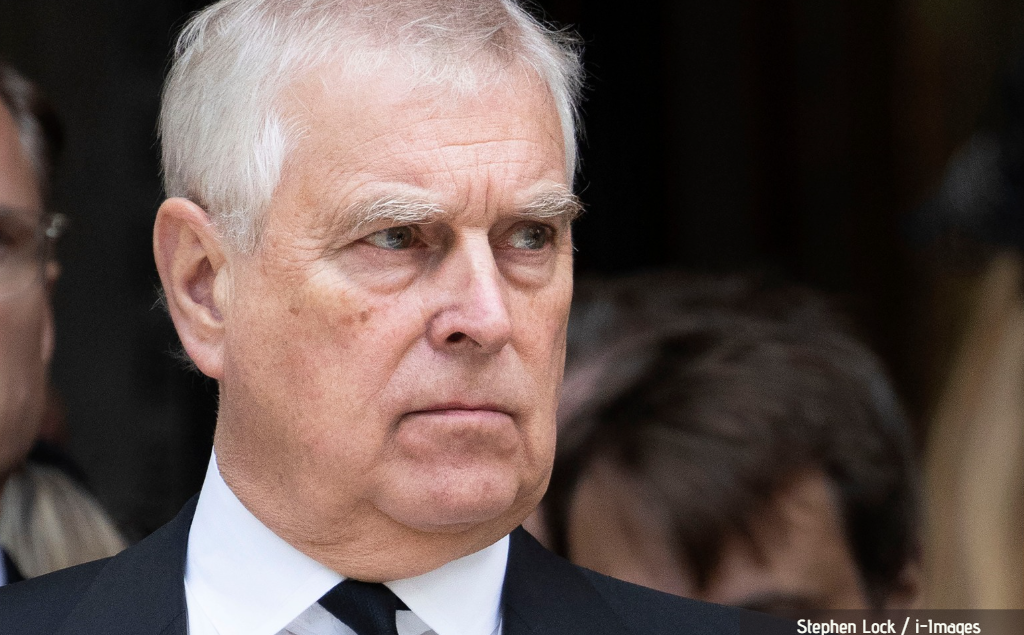
Reports claim Andrew Mountbatten-Windsor, the former Duke of York, remains included in long-standing contingency arrangements despite his removal from royal duties.
Andrew Mountbatten-Windsor is reportedly still due to receive a ceremonial royal funeral under long-standing government contingency plans, despite his dramatic fall from public life and the removal of his royal titles.
According to reports first published by the Mail on Sunday, the 66-year-old remains on a confidential list of members of the Royal Family whose funerals are planned in advance under the Government’s so-called “bridge” operations.
Neither Buckingham Palace, Mountbatten-Windsor or the Cabinet Office has commented on the reports.
While the precise arrangements remain unknown, royal commentators cited in the reports believe any funeral would likely take place at St George’s Chapel, Windsor Castle, where Queen Elizabeth II and Prince Philip’s funeral services were held.
It is also reported that Andrew could be buried at the Royal Burial Ground at Frogmore in Windsor, where a number of members of the Royal Family are interred, including Edward VIII and Wallis Simpson.
The reported plans have prompted criticism from campaigners and politicians because of Andrew’s association with the late convicted sex offender Jeffrey Epstein.
US attorney Gloria Allred, who has represented several Epstein victims, questioned why Andrew should receive the honour of a royal ceremonial funeral, arguing it would send the wrong message to victims and raise questions over the use of public funds.
Spencer Kuvin, another American lawyer who has represented Epstein victims, reportedly described the prospect of taxpayers contributing towards such a funeral as “an embarrassment to the Crown”.
The reports have also drawn political reaction in the UK. Conservative MP Alicia Kearns said there were “no circumstances” in which Andrew should receive a royal funeral, while fellow Conservative MP Joe Robertson argued that any funeral should be funded privately rather than through public money.
Although Andrew has been removed from public royal life, reports suggest any funeral plans would have been revised following the changes to his status rather than abandoned altogether.
King Charles stripped his younger brother of his HRH style and princely title last year after further developments surrounding his links to Epstein. Andrew had already stepped back from official royal duties and lost his honorary military appointments in the wake of the scandal.
One aspect of any future arrangements that has also attracted attention is who would carry Andrew’s coffin. Royal funerals traditionally feature serving members of military regiments associated with the deceased acting as pallbearers.
Despite losing his honorary military roles, Andrew served in the Royal Navy during the Falklands War. Retired Rear Admiral Chris Parry told the Mail on Sunday he believed naval personnel would volunteer to fulfil that role if asked, pointing to Andrew’s military service and decorations.
The reported funeral plans are understood to form part of routine contingency preparations maintained for senior members of the Royal Family. Such planning is standard practice across government and does not indicate any immediate concerns over Andrew’s health.
Buckingham Palace, the Cabinet Office and Andrew Mountbatten-Windsor have not commented on the reports.