
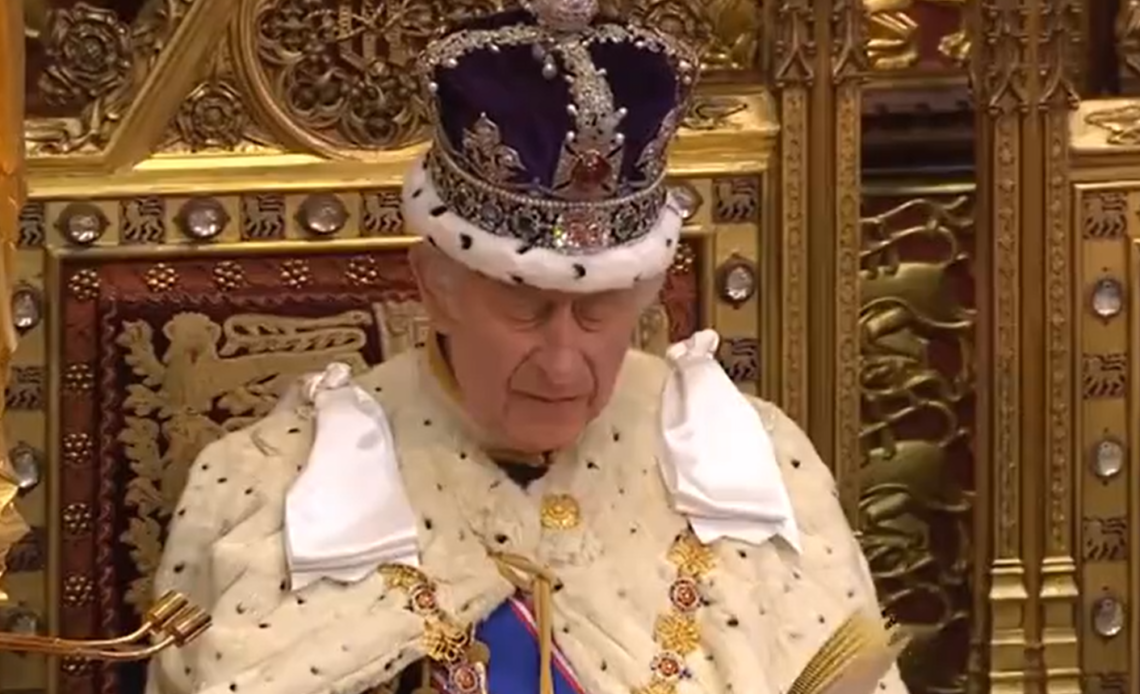
When history judges a monarch, it remembers the Crown; but rarely remembers the person standing just behind it.
Yet, behind every successful reign is someone the public seldom sees – the Private Secretary.
It is one of the most powerful jobs in Britain. No elections. No fanfare. No balcony appearances – but immense influence.
As Sir Clive Alderton prepares to step away after years as King Charles III’s closest aide, Buckingham Palace faces one of the most important appointments of the King’s reign.
Most people won’t notice -but they should.
The Private Secretary is far more than an administrator or diary manager. They are the monarch’s principal adviser, constitutional sounding board, crisis manager and, perhaps most importantly, the one person expected to tell the Sovereign what nobody else dares.
Every King needs someone prepared to say: “No.”
Not because they wish to frustrate the monarch, but because they are there to protect both the Sovereign and the institution.
The best Private Secretaries understand a simple truth.
They do not serve the individual – they serve the Crown.
History is littered with examples of monarchs who surrounded themselves with people too afraid to challenge them. It rarely ends well.
Good advisers do the opposite.
They ask awkward questions; they spot political pitfalls; they quietly prevent tomorrow’s headline from ever being written.
Most of the time, the public never knows they were there – and that is precisely the point.
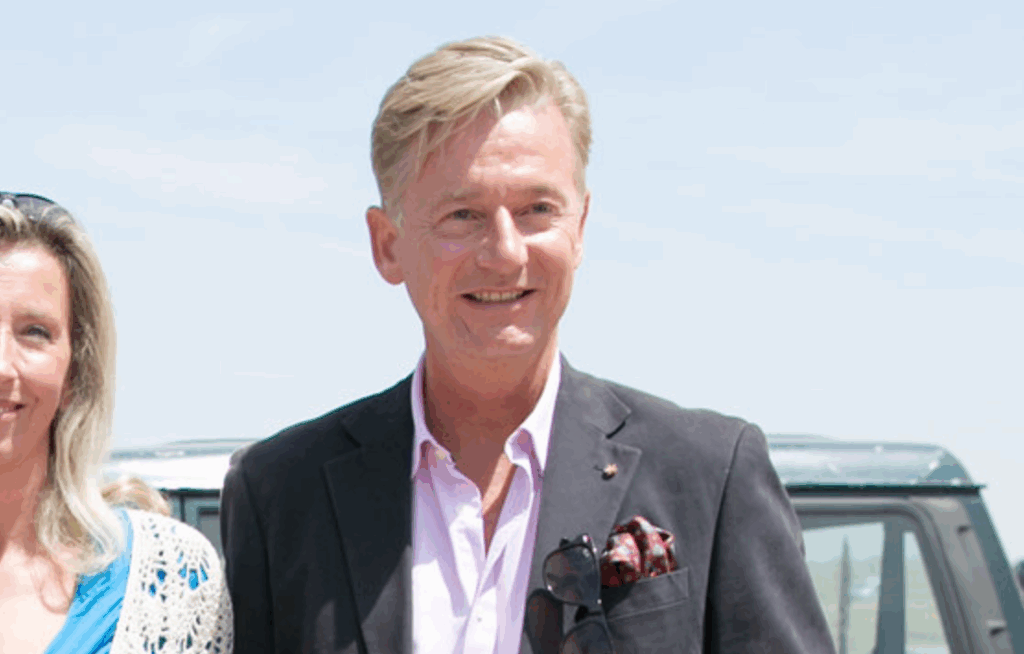
It is impossible to discuss the importance of the role without thinking back to Lord Geidt.
The late Queen’s Private Secretary was widely regarded as a formidable operator who was prepared to deliver uncomfortable advice when necessary. Reports surrounding his departure in 2017 spoke of tensions within the Royal Household and differing views over the future direction of the monarchy, although Buckingham Palace strongly rejected suggestions of an internal power struggle.
Whatever the truth behind those private conversations, one thing remains beyond dispute.
The departure of a Private Secretary matters.
These are not ordinary staff changes.
They alter the dynamic around the Sovereign more than almost any other appointment.
That is why Sir Clive Alderton’s eventual successor will be watched so closely inside Palace walls, even if hardly anyone outside them recognises their name.
Charles has spoken repeatedly about creating a modern monarchy. That vision will not be achieved by speeches alone.
It depends upon the quality of the advice he receives behind closed doors.
The next Private Secretary must be someone capable of navigating constitutional complexity, managing crises, commanding the confidence of government and, above all, possessing the courage to disagree with the King when necessary.
That last quality may be the rarest of all.
After all, who tells a King he is wrong?
The answer should be simple.
The person sitting on the other side of the desk.
Because history has shown that the strongest monarchs are rarely those who hear only what they want to hear.
They are the ones wise enough to listen when someone quietly tells them what they need to hear.