

The Regency Act of 1937 lays out who stands in for a Monarch in a range of situations where they can’t exercise their functions. It sets out who can act as a king or queen and which of those royal powers they would hold. Its current form means that Andrew Mountbatten Windsor, who lost all his titles, is one of two adults who could instantly assume regal powers if a child takes the throne.
What is the Regency Act of 1937?
The Regency Act came into force in the first year of the reign of King George VI, when his heir was a ten year old princess called Elizabeth. It sets out who can take on some of the Monarch’s power if they can’t exercise them themselves – either temporarily or for a long, more permanent period of time.
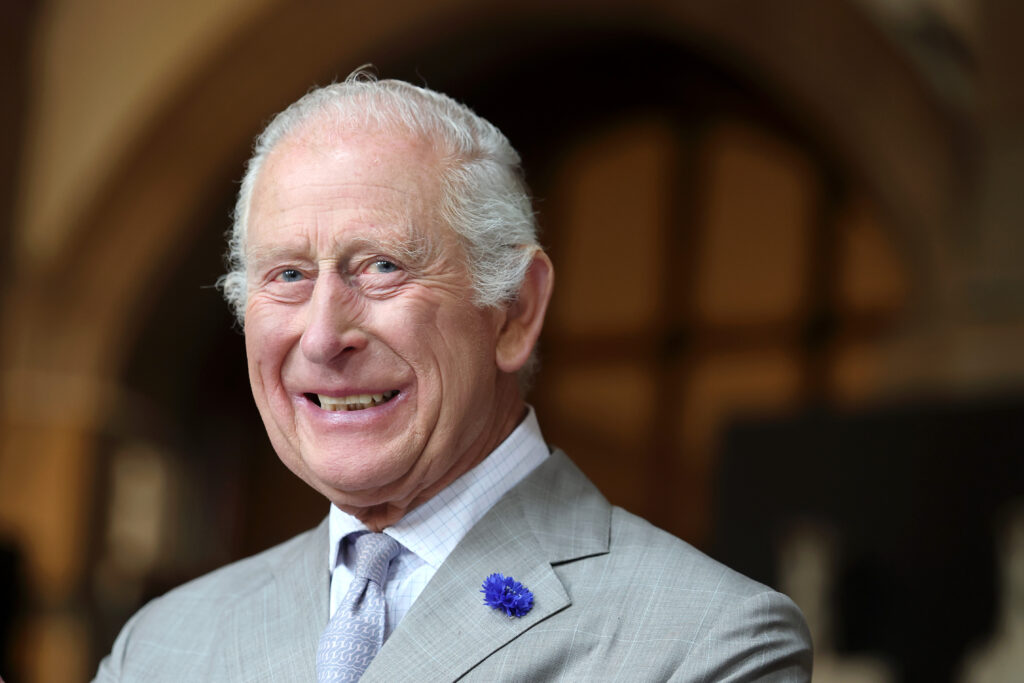
The Regency Act established two main reasons that a king or queen might need a regent. And in both circumstances, their stand in is taken from the next adults in the line of succession. And that gives major royal roles to Prince Harry and Andrew Mountbatten Windsor.
When can a regent be appointed?
There are several circumstances in which the Act permits the implementation of a Regency. Listed first in this Act is the accession of an underage Monarch. If the throne passes to someone aged under eighteen, then a regent is appointed to rule for them until they reach the age of eighteen.
The second circumstance is the incapacity of the Monarch. If it is decided that a king or queen cannot carry out their functions, a regent is appointed until they are deemed capable of taking on their responsibilities again.
Who can be regent?
In its most simple interpretation, the Regency Act says that the next adult in the line of succession is regent providing they a British subject and resident in the United Kingdom. So in the case of King Charles III needing a regent, The Prince of Wales would step in. However, should Prince William or his children need a regent, the role would pass to Prince Harry, The Duke of Sussex.

This is where Andrew Mountbatten Windsor’s high rank in the Line of Succession becomes constitutionally important. If Prince William or one of his children were to need a regent and Prince Harry wasn’t able or permitted to exercise the power (residency in the UK is a hotly debated topic in Regency law), then the role would go to Andrew Mountbatten Windsor who would reign in place of William or one of his children until they were deemed able to hold the throne themselves again.

Adult has two interpretations in this Act. Ordinarily, a regent must be aged 21 or over. However, the heir to the throne can act as regent from the age of 18 onwards. Prince George is currently 12, Princess Charlotte is 10 and Prince Louis is 7 meaning they are all several years off being able to act as a regent.
Who can’t be regent?
The spouse or parent of a Monarch doesn’t necessarily have a role in their regency. The role must pass to someone in the line of succession.It means that Queen Camilla could never be regent for King Charles.
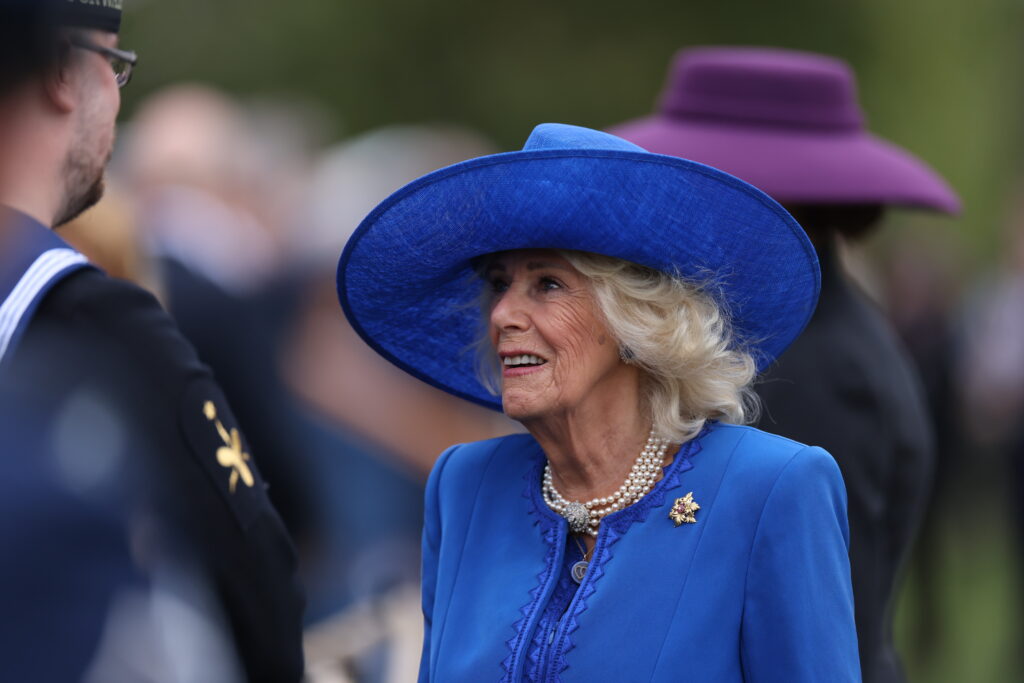
(Sgt Donald C Todd/ UK MOD © Crown copyright 2025)
If a regent is deemed incapable or dies in office, the next adult in the succession who meets the criteria set out, takes their place. After Prince Harry and Andrew Mountbatten Windsor, the next adult in the line of succession is Princess Beatrice followed by Princess Eugenie. After them is Prince Edward followed by his son, the Earl of Wessex.
Below are the first ten people who could act as regent for Prince William or one of his children.
| Person | Place in line of succession |
| Prince Harry, The Duke of Sussex | 5 |
| Andrew Mountbatten Windsor | 8 |
| Princess Beatrice | 9 |
| Princess Eugenie | 12 |
| Prince Edward, The Duke of Edinburgh | 15 |
| James, Earl of Wessex | 16 |
| Lady Louise Mountbatten-Windsor | 17 |
| Princess Anne, The Princess Royal | 18 |
| Peter Phillips | 19 |
| Zara Tindall | 22 |
What role would the Princess of Wales have if one of her children needed a regent?
If one of the children of the Prince and Princess of Wales needed a regent, Kate wouldn’t be eligible to help. The Regency Act of 1937 assigns no role to the surviving parent of an under age monarch unless that person themselves happens to be in the line of succession. However, the guardianship of a Monarch under the age of 18 rests with their surviving parent while the guardianship of a ruler declared incapable rests with their spouse, if they have one.
What changes have been made to the Act?
In 1953, following the succession of Queen Elizabeth II, a change was made that allowed Prince Philip to rule as regent should one of their children ascend the throne as a minor. Those changes ceased to have an effect once all their children had reached adult age, that is when Prince Edward turned 18 in 1982.
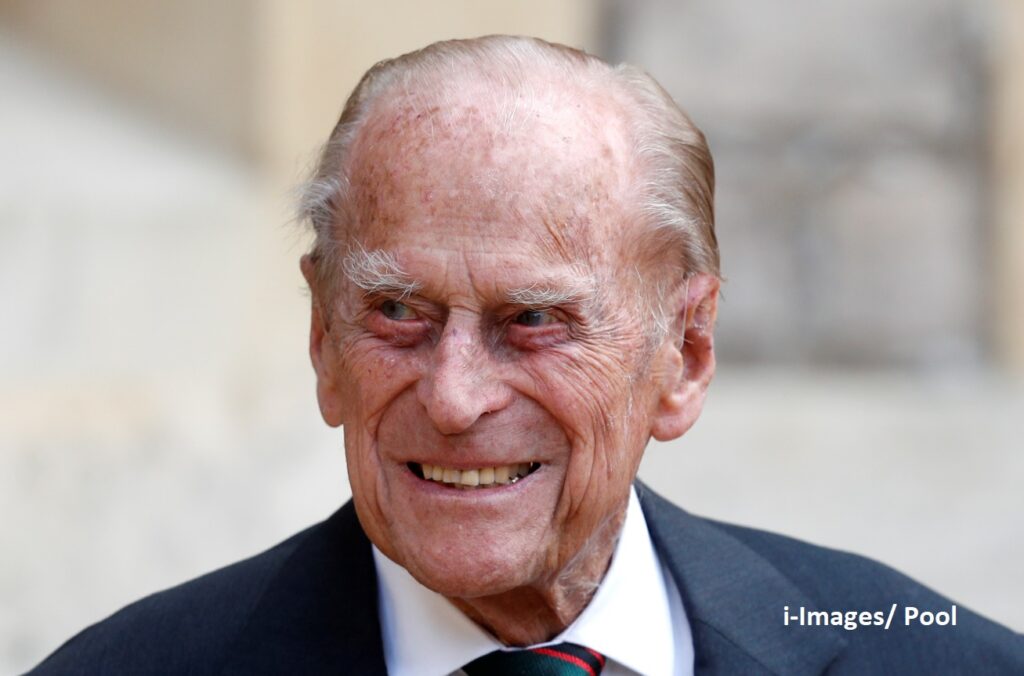
This change means that an alteration could be made when Prince William becomes king to allow Kate to rule as regent should one of their children succeed their father before they are an adult.
What else does the Act provide for?
The role of Counsellors of State was part of the 1937 Act. This is the mechanism which allows two of five people to exercise power if the Monarch is temporarily out of action. Currently, the Monarch’s spouse and the first four adults in the line of succession can carry out the role meaning Queen Camilla, The Prince of Wales, the Duke of Sussex, Andrew Mountbatten Windsor and Princess Beatrice can all be called on to exercise the function.

That’s proved controversial as three of the five aren’t working royals. Andrew Mountbatten Windsor has been stripped of all his royal titles and privileges as more revelations about his friendship with convicted sex offender, Jeffrey Epstein, emerge. Furthermore, the Duke of Sussex lives in the United States.
These are the people who can act as Counsellors of State, as of February 2026.
| Person | Reason they are Counsellor of State |
| Queen Camilla | Consort to King Charles III |
| Prince William, The Prince of Wales | First adult in Line of Succession |
| Prince Harry, The Duke of Sussex | Second adult in Line of Succession |
| Andrew Mountbatten Windsor | Third adult in Line of Succession |
| Princess Beatrice | Fourth adult in Line of Succession |
| Prince Edward, The Duke of Edinburgh | Added by Parliament at request of King Charles III in 2022 |
| Princess Anne, The Princess Royal | Added by Parliament at request of King Charles III in 2022 |
In November 2022, King Charles asked Parliament to amend the Act and allow his sister, the Princess Royal, and his youngest brother, the Duke of Edinburgh, to also be available as Counsellors of State. Both have exercised the role before. The request was debated by both the Lords and the House of Commons before being passed before the end of 2022.
How often have temporary changes been made to the Regency Act?
Several changes have been made to the act in the almost 90 years it has existed. There was an alteration to part of the Act following the death of King George VI with provision being made for Queen Elizabeth, The Queen Mother to continue to be able to exercise the function of Counsellor of State.
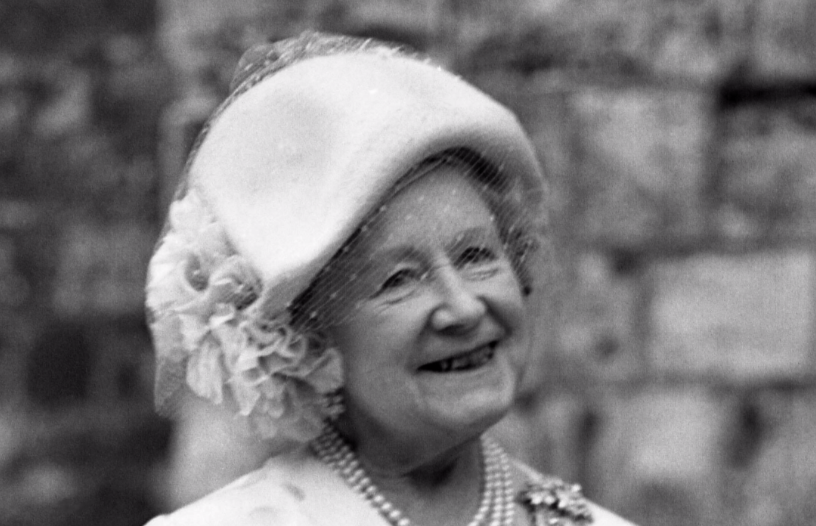
(PHOTO CREDIT: Allan Warren)
Now, George VI’s grandson sits on that throne and has already seen the law change once in his short reign. Within months of his accession, King Charles III asked the House of Lords to add two royals to the list of those who can stand in temporarily for him – a role known as Counsellors of State.
So what does the Regency Act 1937 mean today?
The Regency Act of 1937 still decides who can hold the power of a Monarch in various situations. It was put in place to try and protect a young heir (Elizabeth, later Queen Elizabeth II) and at a time of constitutional confusion. Just months before the Act was created, King Edward VIII had abdicated the throne to marry Wallis Simpson. Politicians and courtiers were concerned that should Elizabeth inherit the throne before becoming an adult, questions might be asked about whether a previous king could return.
Ninety years later, those rules remain in place. However, they mean that should Prince William take the throne before his children are adults then both his brother, Prince Harry, and his uncle, Andrew Mountbatten Windsor, remain in positions of potential power should a regent be needed.
The most obvious answer seems to be a temporary change that would allow Kate, The Princess of Wales, to assume those powers if needed. Whether that happens remains to be seen.