
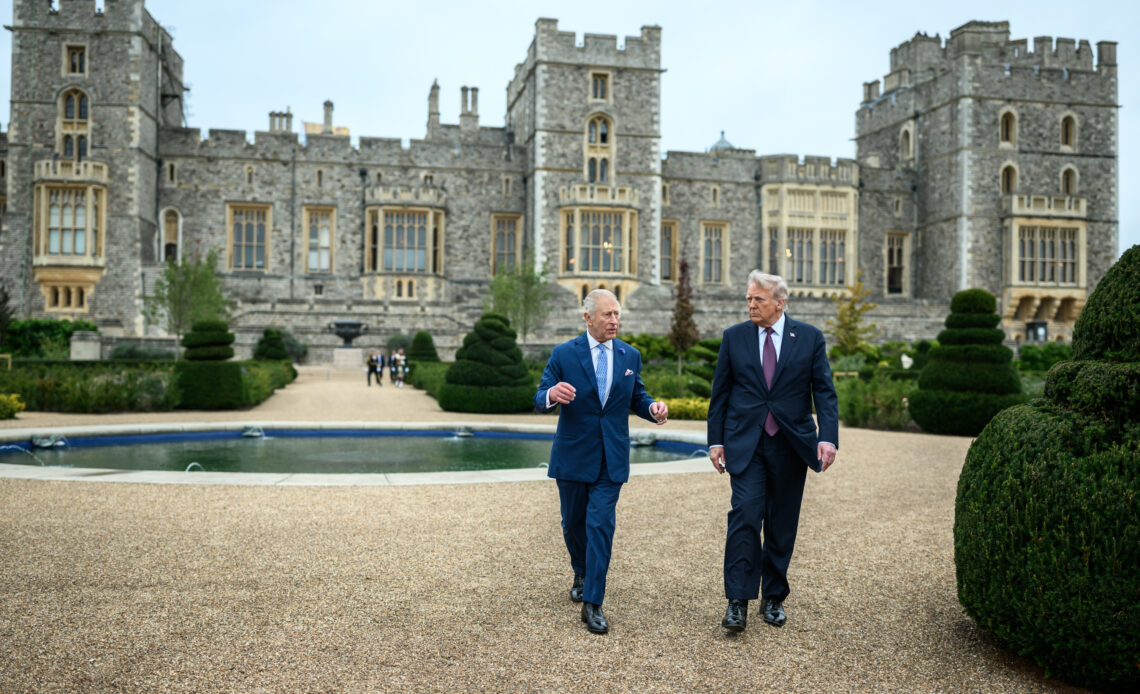
A growing share of the British public believes that King Charles III should not travel to the United States for an official visit later this year, according to new polling that reflects unease over the current political climate.
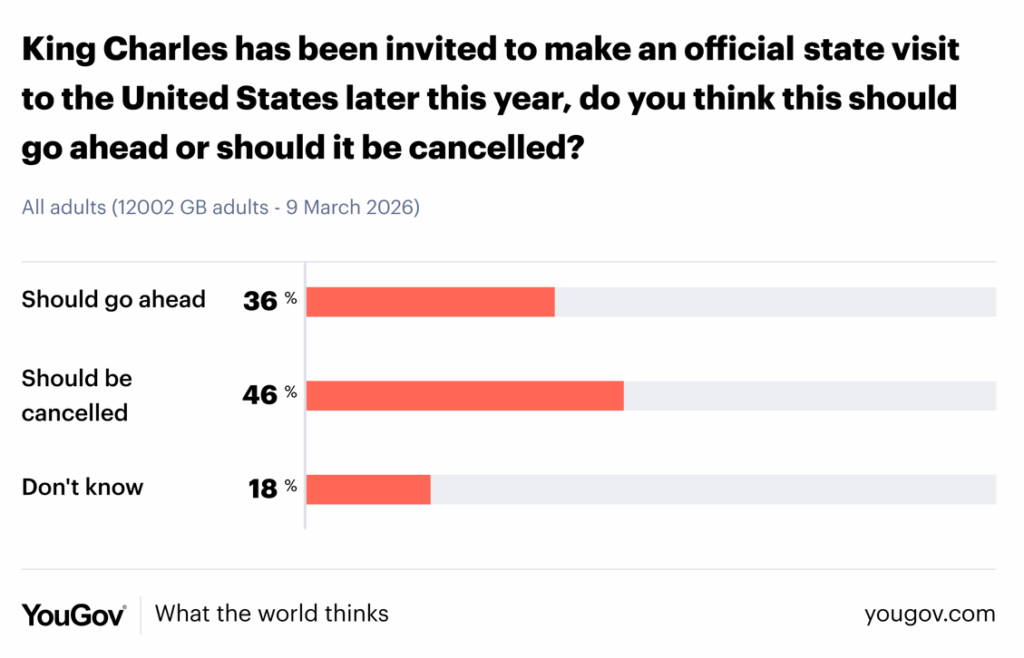
Research conducted by YouGov suggests that 46 per cent of adults in Great Britain think the proposed state visit ought to be called off. By contrast, 36 per cent believe the trip should proceed as planned, while 18 per cent say they are unsure.
The survey, based on responses from more than 12,000 adults and conducted on 9 March, comes as debate intensifies in Westminster about the diplomatic wisdom of the visit amid strained relations between London and Washington.
Pressure has been mounting on the government after Sir Ed Davey urged the Prime Minister, Keir Starmer, to advise the King not to proceed with the journey. The Liberal Democrat leader has argued that a visit during the current tensions with the United States would be inappropriate.
The dispute centres on the escalating conflict involving Iran and the role played by the United States under Donald Trump. Davey has accused the American president of launching what he described as an “illegal war” in the region and warned that a royal visit would amount to a diplomatic boost for Washington at a sensitive moment.
The King had been expected to travel to the United States in April as part of events marking the 250th anniversary of American independence, a milestone that both governments had hoped would underline the enduring alliance between the two countries.
Relations have, however, become increasingly strained in recent days. President Trump publicly criticised Starmer after Britain initially declined to allow American forces to launch the first wave of strikes against Iran from UK territory. The president mocked the prime minister’s stance, suggesting he was “not Winston Churchill”.
Downing Street later authorised the use of British facilities for what officials described as defensive operations. The United States has since relied on bases including RAF Fairford and Diego Garcia to support efforts aimed at countering Iranian missile threats. Four US bombers arrived at Fairford over the weekend as part of those deployments.
Despite the public exchanges, diplomatic contact between the two governments has continued. Starmer and Trump held a telephone conversation lasting around 20 minutes on Sunday to discuss the evolving situation in the Middle East and the cooperation between their armed forces.
Downing Street said the prime minister also expressed condolences after the deaths of six American servicemen, and both leaders agreed to remain in close contact as the crisis develops.
Starmer has defended his earlier reluctance to authorise the initial strikes, suggesting that permitting them could have raised questions about compliance with international law.
Meanwhile Foreign Secretary Yvette Cooper has stressed that ministers will avoid inflammatory language as the situation unfolds, insisting the government will focus on measured decisions rather than escalating rhetoric.