
A senior Army officer will break new ground at the heart of the monarchy next year when she becomes the first woman to serve as crown equerry, one of the most prestigious posts within the Royal Household.
Colonel Erica Bridge, 52, currently the defence attaché in Rome, has been selected by the King and Queen after a competitive interview process. She will succeed Colonel Toby Browne, who retires in the spring after 15 years steering royal transport operations as crown equerry.
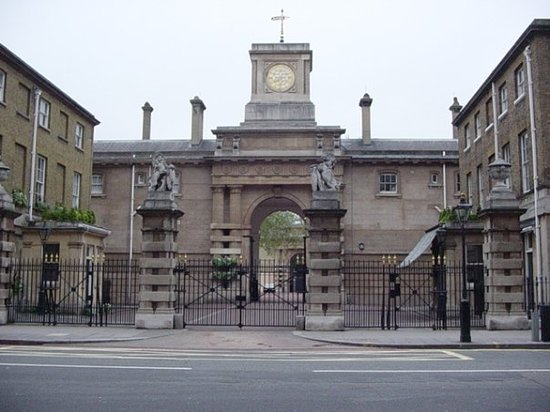
The position carries sweeping responsibility: the crown equerry oversees every aspect of official transport for the Royal Family, from state carriage processions to the fleet of chauffeur-driven cars used for engagements at home and abroad. The role also includes command of the Royal Mews – its horses, grooms and specialist staff – an institution that has served the monarchy for centuries.
Horses are at the centre of Colonel Bridge’s life. Away from work, she has also been a successful amateur jockey – winning the prestigious Grand Military Gold Cup at Sandown Park in 2016, with Princess Anne presenting her with the trophy.
Colonel Bridge’s tenure will begin during a period of significant change. The Royal Mews, long rooted at Buckingham Palace, is preparing to relocate to Windsor as the Royal Family’s working routines have shifted away from central London. Officials say the move reflects practical considerations rather than symbolism, with the King and Queen predominantly based at Clarence House when in the capital.
Buckingham Palace, still the monarch’s central office, remains largely uninhabited while undergoing a £369 million refurbishment intended to modernise essential infrastructure. The project, now several years into its schedule, has brought an influx of tradespeople through its gates.
To mark Small Business Saturday last week, the Palace highlighted the work of more than 220 small firms involved in the overhaul. A message shared on the Royal Family’s social media channels offered thanks to the plumbers, electricians, stonemasons, carpenters, art handlers, demolition teams and other specialists underpinning the vast restoration. Their contribution, the statement said, would help ensure that the building is “fit for future generations to enjoy”.
Small and medium-sized businesses employ around 60 per cent of the UK workforce and generate an estimated £2.8 trillion in turnover – a figure the Palace was keen to acknowledge as it showcased those working behind the scenes on one of the country’s most significant heritage projects.
Colonel Bridge’s appointment, meanwhile, marks a historic step for the Royal Household, which has gradually opened senior posts to women across the past few decades. Her arrival at the Royal Mews next year will place her at the helm of one of the monarchy’s most recognisable ceremonial institutions – and at the forefront of a modernising moment quietly unfolding behind palace walls.