
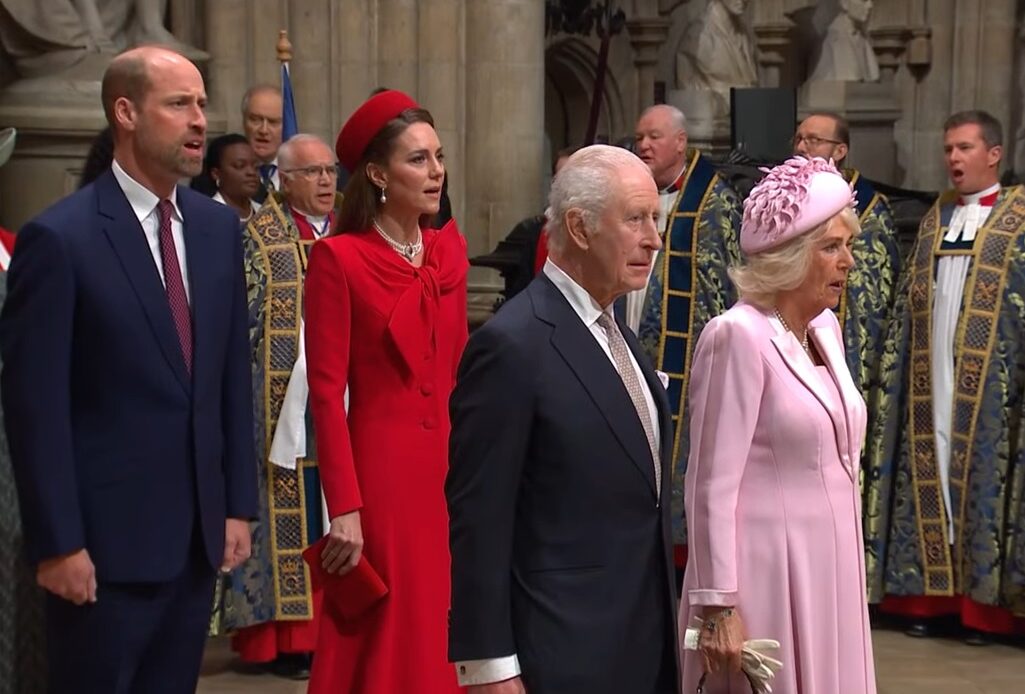
Could the tiny principality of Monaco one day become part of the Commonwealth? The question was quietly raised in royal and social media circles after Prince Albert II of Monaco made a rare appearance at the Commonwealth Day service in London, joining members of the British royal family at Westminster Abbey.
Prince Albert, 67, attended the annual celebration alongside King Charles III and other senior royals, an unexpected presence at an event traditionally reserved for representatives of the 56 nations that make up the Commonwealth. The service, one of the most symbolic moments of the royal calendar, celebrates cooperation among countries connected through shared history, culture and diplomacy, with the King serving as head of the organisation.
Although foreign dignitaries are occasionally invited to major royal events, it is unusual for a non-Commonwealth head of state to attend the service itself. Prince Albert’s presence therefore prompted speculation among some observers about the possibility – however distant – of Monaco establishing a closer relationship with the organisation.
The prince has maintained a longstanding friendship with King Charles stretching back decades. Both men have frequently appeared together at international gatherings and share a strong commitment to environmental issues, an area in which Prince Albert has been particularly active through his foundation promoting climate and ocean protection. Their relationship dates to their younger years, when they were often grouped together at royal events as two of Europe’s most prominent unmarried heirs.
Monaco, a Mediterranean microstate with a population of around 39,000, has never been part of the Commonwealth and has no direct constitutional ties to Britain. The organisation historically consisted largely of former territories of the British Empire, though in recent decades it has expanded beyond those origins. Countries such as Mozambique and Rwanda joined despite having no historic constitutional link to Britain, demonstrating that membership is not restricted to former colonies.
Even so, there has been no indication that Monaco is considering applying to join the Commonwealth. The principality maintains particularly close ties with France, with which it shares extensive political and economic links, and its foreign policy is closely aligned with that of its larger neighbour.
Prince Albert’s attendance therefore appeared to be largely symbolic, reflecting personal relationships and diplomatic goodwill rather than any formal shift in international alignment. Nevertheless, his presence highlighted the Commonwealth’s evolving role as a forum that increasingly extends beyond its historic boundaries.
The Commonwealth Day service each year brings together political leaders, diplomats, charitable figures and representatives of civil society from across the organisation’s member states. It has taken on renewed significance during the reign of King Charles, who has emphasised the Commonwealth’s role in fostering cooperation, particularly on environmental and economic challenges.
For Monaco, participation remains limited to gestures of friendship and diplomatic engagement rather than formal membership. Yet the image of the principality’s sovereign sitting among Commonwealth representatives at Westminster Abbey was a reminder that the organisation, like the relationships between the nations and figures connected to it, continues to evolve.