
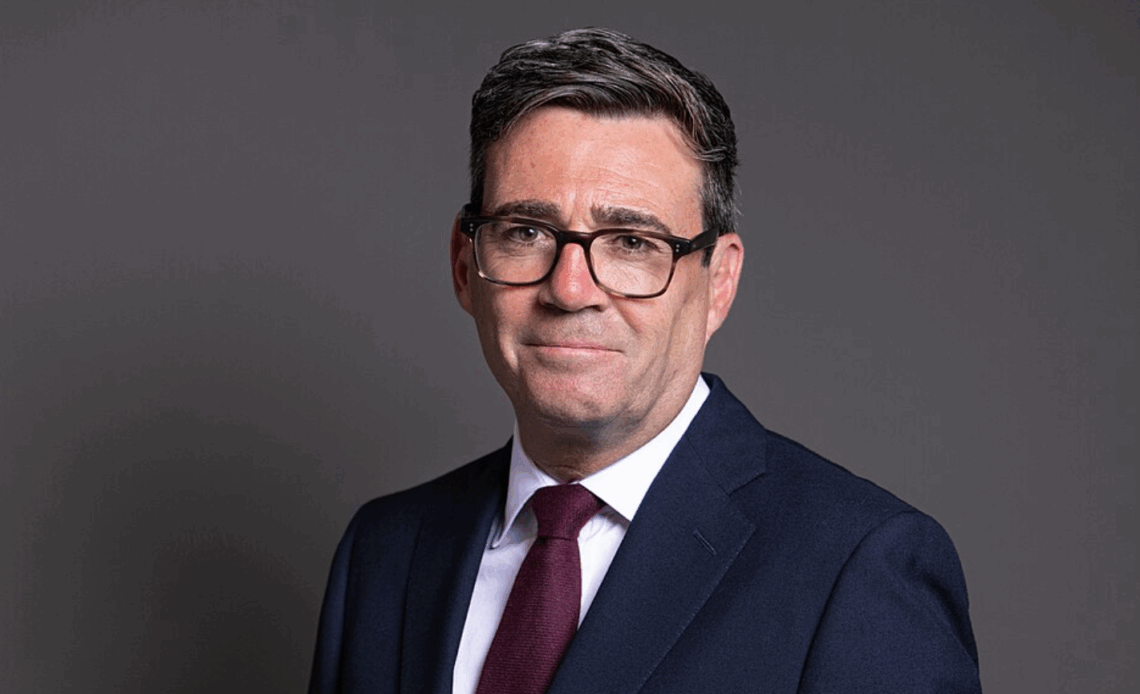
King Charles III has formally appointed Andy Burnham as Prime Minister, making him the fourth person to serve as the King’s premier since the beginning of the reign in 2022.
The audience at Buckingham Palace followed the resignation of Sir Keir Starmer, who travelled to the Palace earlier in the day to tender his resignation after stepping down as Leader of the Labour Party.
Following the traditional constitutional process, The King invited Mr Burnham to form a government. The audience marked the first official meeting between the Sovereign and the country’s new Prime Minister.
The appointment makes Mr Burnham the 59th Prime Minister of the United Kingdom and Labour’s eighth holder of the office. He also becomes the fifth Prime Minister in just four years, following Boris Johnson, Liz Truss, Rishi Sunak and Sir Keir Starmer.
For King Charles III, it is another milestone in a reign that has already seen an unusually high turnover of governments. Since acceding to the throne in September 2022, His Majesty has now appointed Liz Truss, Rishi Sunak, Sir Keir Starmer and Andy Burnham as Prime Minister.
The audience followed long-standing constitutional convention. Once the outgoing Prime Minister had resigned, Mr Burnham was invited to Buckingham Palace, where The King asked him to form a new administration. The ceremony was once known as “kissing hands”, although modern prime ministers simply shake hands with the Monarch.
Mr Burnham is expected to return to 10 Downing Street immediately after leaving Buckingham Palace, where he will deliver his first speech as Prime Minister before beginning the process of appointing his Cabinet.
In his first address, the new Prime Minister is expected to promise “more breathing room” for families facing cost-of-living pressures while pledging a more “stable and responsible” style of politics. Early priorities are expected to include measures on housing, public transport, energy and the economy.
Mr Burnham succeeds Sir Keir Starmer following a Labour leadership contest, meaning no general election was required. Under the UK’s constitutional arrangements, the Monarch appoints as Prime Minister the individual most likely to command the confidence of the House of Commons. As Labour continues to hold a parliamentary majority, Mr Burnham is able to take office without returning to the country for a fresh vote.
The King remains politically neutral throughout the process, acting on constitutional convention by accepting the resignation of one Prime Minister before inviting their successor to form a government.