It came to be seen as the symbol of a terrible year for the House of Windsor and it remains a dramatic moment in the story of Queen Elizabeth II. The fire at Windsor Castle devastated parts of the ancient building and, just days later, Elizabeth II spoke of her ”annus horribilis”, one of the most famous comments of her reign.
The fire ripped through the castle in 1992, the year that three of Elizabeth II’s children experienced marriage difficulties. The road to separation and divorce for them had been messy with endless press coverage that saw all parts of their lives on the front pages of newspapers and magazines around the world. The House of Windsor was known for its soap opera style when the castle at Windsor, for so long an emblem of the Monarchy, went up in flames.
On the morning of November 20th 1992, a curtain brushed against a spotlight being used in restoration work in the Private Chapel of the ancient royal residence. It quickly caught light and within minutes, flames began to lick through the very heart of the famous castle.
The Fire Service was immediately alerted. At the height of the rescue operation, over 225 firefighters were involved with 39 appliances from surrounding counties called in. It was the first time in two decades that a fire in the Greater London area was so severe that it required over 30 engines to tackle it.
Despite the rescue effort, the fire spread quickly and soon, a human chain had formed to rescue the priceless royal artefacts held within the castle’s walls. Many items were already in storage as restoration work got under way. Although 115 rooms, including nine State Rooms, were destroyed in the fire, only two items were lost – a large portrait by Sir William Beechey that was too big to remove as the flames crept closer and a rosewood sideboard.
Six people, including five firefighters, suffered minor injuries as the blaze continued. The main fire burned for 12 hours although the secondary blazes took until the early hours of November 21st to extinguish.
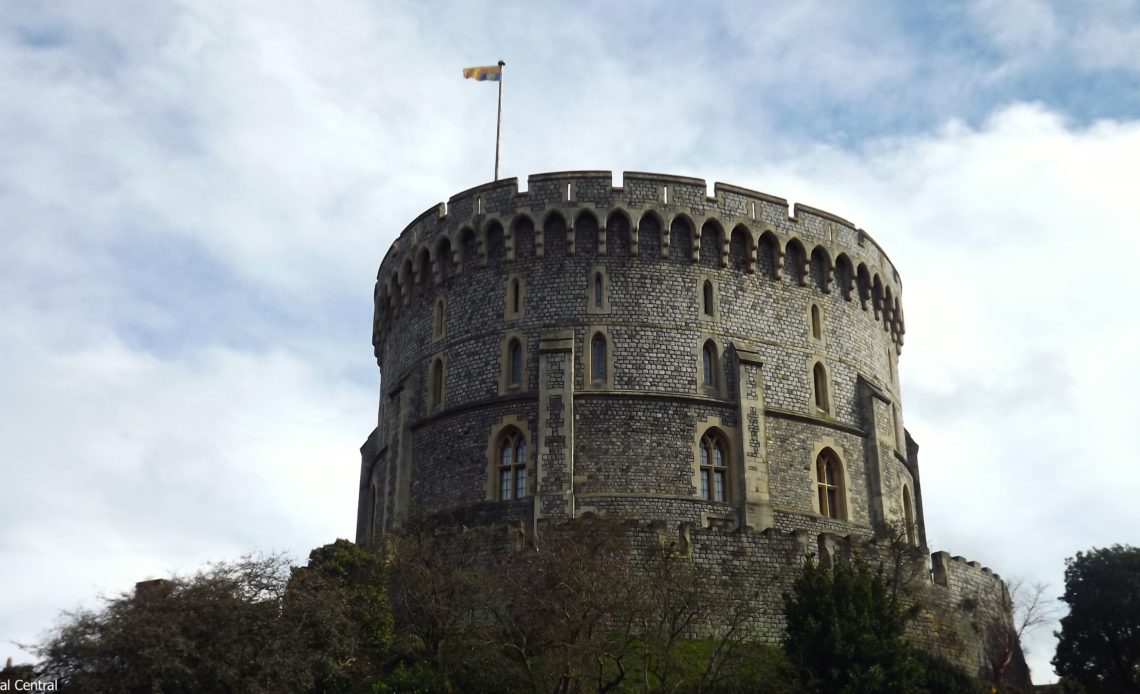
The image of the famous round tower at Windsor, silhouetted against the darkening sky as flames licked around the precincts of the castle, was on front pages around the world. Suddenly, there was a photo to sum up just how dreadful the year had been for the Windsors.
A massive clean up operation began followed by a restoration project that would last five years and cost over £36 million. Debate around who would pay for the repair work led to The Queen announcing her plans to pay income tax and to open up Buckingham Palace to paying visitors. The fire at Windsor had changed the Monarchy and brought a part of it up to reality. Without those flames, it’s not known when such changes might have happened.
The fire at Windsor became symbolic of the troubles faced by the Royal Family in 1992. Just days later, The Queen made one of the most noted speeches of her reign, in which she described the year as an ”annus horribilis”.
Elizabeth II was meant to be celebrating her ruby jubilee that day. A lunch had been held to mark the 40th anniversary of her reign – although the actual date had passed earlier in the year. And while the festivities for this milestone were muted, Queen Elizabeth had been expected to arrive at this lunch in style with all eyes on her. Instead, she was the subject of much more deliberate scrutiny.
There was also the problem of a cold that Elizabeth II had contracted in the days before the speech. She stepped up to the microphone with a sore throat and the words were delivered with a croak rather than a defiant voice.
However, the speech struck a note with many watching and, in some ways, public sentiment began to turn as Queen Elizabeth II came as close as she could to sharing her feelings with the world.
Five years later exactly, Elizabeth II invited guests into the newly restored Windsor Castle to mark the end of an elaborate rebuilding programme and her own special moment – her 50th wedding anniversary. It was set against a difficult back drop – just months earlier, Diana, Princess of Wales had been killed in a car crash and the outpouring of grief at her loss had led to some anger against the Monarchy for apparent indifference.
Elizabeth II walked into the castle that began life with William the Conqueror to take on her own battle against a still loud voice of disapproval in the Monarchy. The restoration of Windsor would also come to symbolise a turning point in the fortunes of its most modern dynasty.