
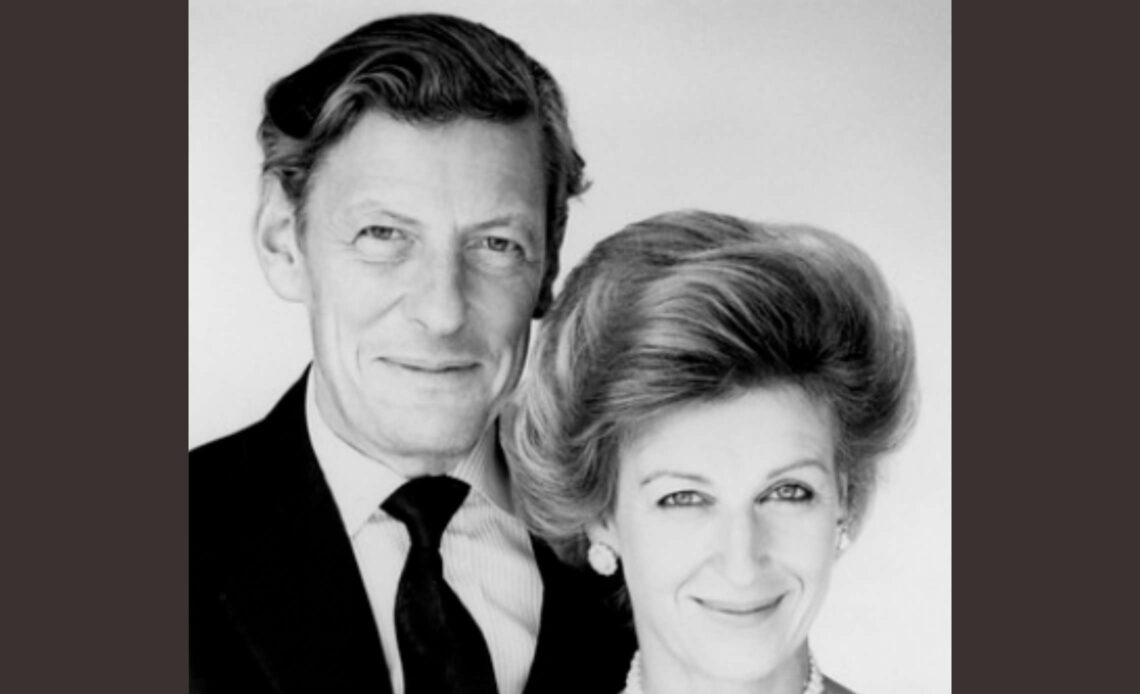
In April 1963, the nation paused to witness the wedding of Princess Alexandra of Kent, Queen Elizabeth II’s first cousin, to British businessman Angus Ogilvy. The union captured public imagination not only for its splendour, but also for the quietly unorthodox choices made by the groom.
The couple first met at a ball at Luton Hoo in 1955, and seven years later Buckingham Palace confirmed their engagement. Although Angus was the second son of the Earl and Countess of Airlie, he was widely regarded as a commoner, not a peer of the realm. He embraced this identity, making clear that he did not wish to ascend into the ranks of royalty.
On the wedding day, Angus famously declined an offer of an Earldom from The Queen – an act that shocked royal observers at the time. While his decision allowed him to retain a degree of personal independence, he later expressed regret, believing it may have set a precedent that complicated future royal marriages. Ten years later, Captain Mark Phillips would make a similar choice upon marrying Princess Anne.
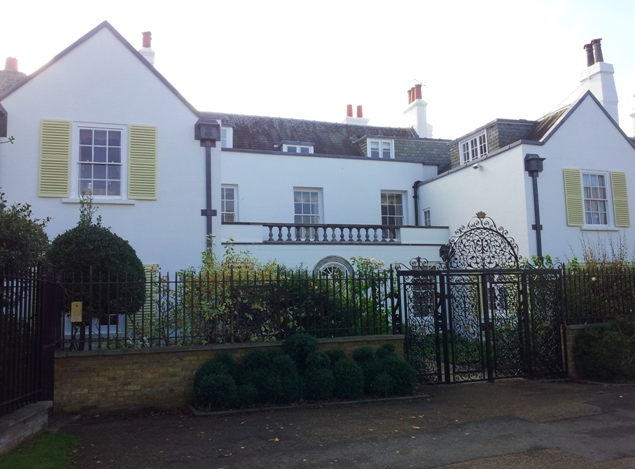
Embed from Getty ImagesAngus also refused the use of grace-and-favour residences typically offered to royal spouses. In their first year of marriage, he and Princess Alexandra purchased the lease of Thatched House Lodge in Richmond Park, financing it with a mortgage – a considerable sum of £150,000 in the early 1960s. The couple remained there for the duration of their lives together, creating a family home that balanced royal duty with domestic normalcy.
The residence became a quiet retreat from the public eye. Friends and staff recall that Angus approached royal life with pragmatism and discretion, supporting Princess Alexandra as she undertook her official duties without seeking public attention for himself. His approach reflected a subtle but meaningful shift in how royal spouses could navigate tradition while maintaining personal autonomy.
Although he never acquired a peerage, The Queen later recognised his dedication to the royal household. In 1988, twenty-five years after their marriage, he was appointed a Knight Commander of the Royal Victorian Order, a rare honour that acknowledged decades of service behind the scenes.
Throughout his life, Angus Ogilvy was celebrated for his personal charm and courtesy. The Guardian described him as “a man of great personal charm, unfailing courtesy, inquisitiveness, and a reputation for kindness,” and his loyalty to Princess Alexandra never wavered. The Queen and the Duke of Edinburgh were among the mourners at his funeral in 2004, a testament to the respect he earned within the royal family.
The marriage of Princess Alexandra and Angus Ogilvy stands as a reminder that tradition, even in the monarchy, can bend to accommodate personal choice. In choosing to remain a commoner, Angus carved a unique path, showing that devotion and discretion can be as important to royal life as titles and formal honours.