
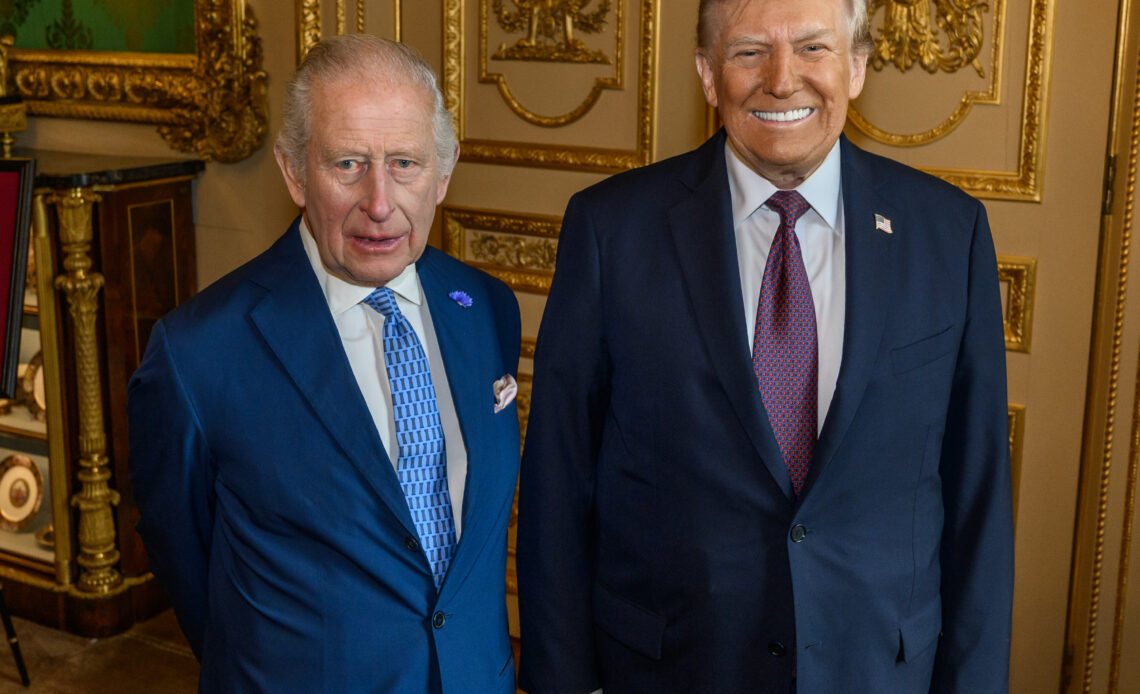
If there was ever a reminder that the Crown still carries influence, the events of the past few days provided it in spades. While the world watched the fallout from Donald Trump’s reckless comments about British troops in Afghanistan, one figure quietly reshaped the narrative: King Charles.
The US president’s initial remark – that UK forces “stayed a little back, a little off the front lines” – was met with outrage across Westminster. Politicians, veterans, and the public alike were appalled. Yet it was not parliamentary pressure, not a headline in the Times, that produced a change. It was the monarch’s discreet intervention behind closed doors.
Through established diplomatic channels, Charles conveyed his concerns about the affront to British service personnel. No press release, no fanfare, no self-congratulatory statement. Just quiet, deliberate influence – soft power in action. Within days, Trump had backtracked, praising the UK military as “among the greatest of all warriors” and acknowledging the 457 British lives lost in Afghanistan.
This episode is instructive. In an era dominated by loud personalities, social media posturing, and political theatre, the King’s measured approach stands out. He didn’t lecture. He didn’t seek headlines. He used authority rooted not in political office, but in respect, tradition, and moral weight – precisely the kind of influence that cannot be dismissed, even by a former US president.
Charles’ intervention also underscores the enduring relevance of soft power. It’s easy to scoff at symbolic monarchy in a world of elected leaders and global media, but influence isn’t always about making a scene. Sometimes, it’s about knowing when to speak, who to speak to, and how to be heard. In a landscape of Twitter storms and soundbites, that is a skill few possess – and fewer wield effectively.
The broader lesson is clear: constitutional restraint does not equal impotence. The King’s quiet diplomacy ensured respect for British troops, preserved the dignity of the Crown, and nudged international relations back on course – all without a single public announcement. In a clash between Trump’s bluster and Britain’s institutions, it was soft power that won.
If nothing else, this is a case study in why the monarchy still matters. Not for headlines, not for spectacle, but for its capacity to act decisively where others cannot – quietly, effectively, and above the fray.
King Charles may not have grabbed the front page. But make no mistake: in taming Trump, he reminded the world that soft power is real power.