
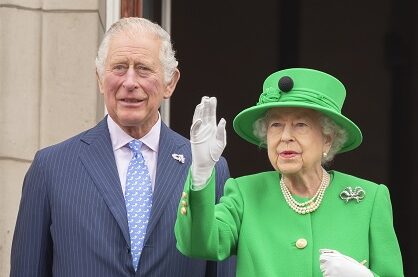
When Queen Elizabeth II died in September 2022, the racing industry lost more than its most famous owner and breeder. It lost the sport’s greatest ambassador.
For more than seven decades, the late monarch’s presence was woven into the fabric of British racing. Whether at Royal Ascot, Epsom or Newmarket, her attendance brought a sense of occasion that transcended the sport itself. Crowds cheered her winners as though they were their own and her lifelong commitment to the thoroughbred gave racing a level of national visibility that no marketing campaign could ever replicate.
In the years since her death, one question has quietly lingered over British racing: what does royal support look like in the post-Elizabethan era?
Their attendance continues a royal tradition stretching back generations and reinforces the message that racing remains important to the monarchy. As joint Patrons of The Jockey Club, the King and Queen have embraced many of the responsibilities associated with their late predecessor’s role within the sport.
It is not the first time King Charles has demonstrated that commitment. In 2024, he attended Epsom to watch his filly Treasure contest the Oaks, marking his first Derby Festival appearance as monarch. Although victory proved elusive, his presence was a significant moment for racing and a reminder that the royal family’s connection to the sport remains very much alive.
The King’s enthusiasm for racing should not come as a surprise. He inherited not only his mother’s horses but also much of her breeding operation. Alongside Queen Camilla, he has continued the royal racing colours and enjoyed notable success, including Desert Hero’s memorable Royal Ascot victory in 2023.
Yet comparisons with Queen Elizabeth II remain inevitable.
No modern monarch has been more closely associated with racing than Elizabeth II. Her interest extended far beyond the racecourse. She was deeply involved in breeding decisions, studied pedigrees obsessively and took genuine delight in developing bloodlines over multiple generations. Racing was not simply one of her patronages; it was one of her great passions.
The challenge for King Charles is not a lack of enthusiasm but the reality of kingship. Unlike his mother for much of her reign, Charles became monarch in his seventies and inherited a demanding constitutional role at a time when the monarchy is operating with fewer working royals than at any point in recent history.
As a result, expecting him to replicate the late Queen’s extraordinary racing schedule would be unrealistic.
What matters instead is that he continues to show up.
Royal attendance still carries enormous significance. The Derby, Royal Ascot and other major meetings benefit not only from the publicity generated by royal visits but also from the sense of continuity they provide. In an era when institutions are constantly changing, racing’s connection with the Crown remains one of its most valuable assets.
Perhaps the biggest shift since 2022 has been the emergence of a broader royal presence around the sport. The Princess Royal remains a regular racegoer, while Zara and Mike Tindall continue to be among racing’s most visible royal supporters. Their appearances help ensure that racing maintains a place within royal life beyond the King and Queen themselves.
Questions remain about whether younger generations of the Royal Family will ever embrace racing with the same enthusiasm shown by Queen Elizabeth II. The Prince and Princess of Wales continue to focus much of their attention on other sporting interests, and it is difficult to imagine any future royal matching the late Queen’s lifelong devotion to the thoroughbred.
But perhaps that is the wrong comparison.
No one will ever replace Queen Elizabeth II’s unique relationship with racing. Her contribution was the product of a lifetime spent immersed in the sport and cannot be replicated.
The more relevant question is whether the monarchy continues to value racing and recognise its importance to British life.
On Derby Day at Epsom next week, the answer will be visible for all to see.