
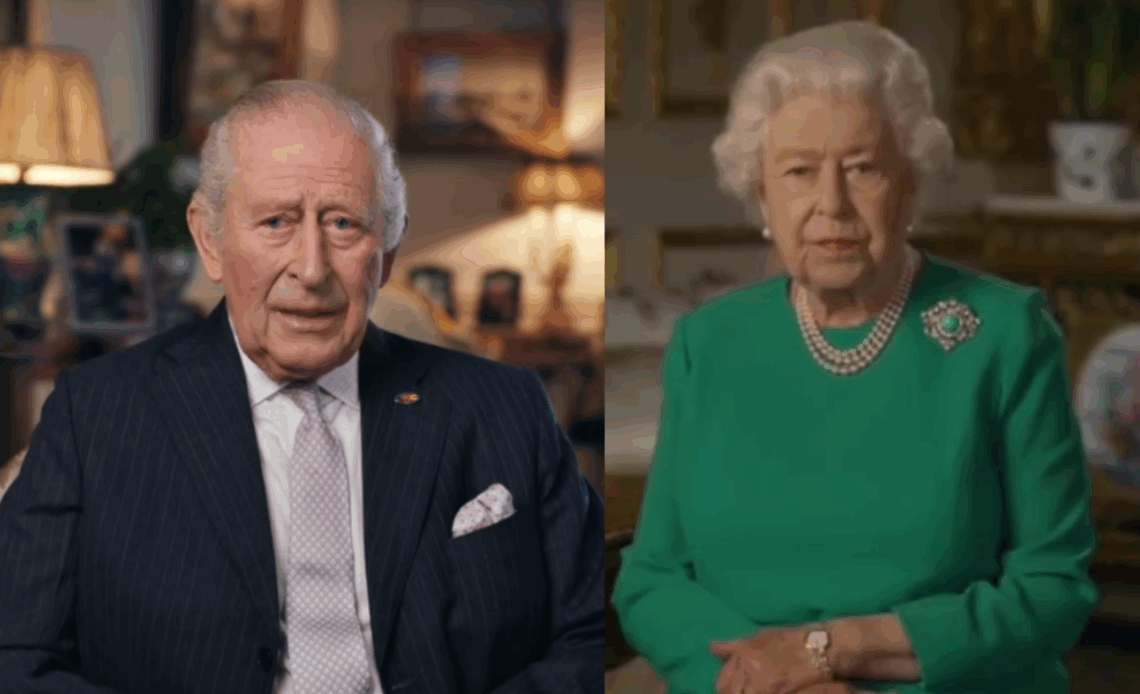
King Charles III’s televised message on his cancer treatment has drawn inevitable comparison with one of the most memorable broadcasts of his late mother’s reign – Queen Elizabeth II’s address to the nation at the height of the Covid-19 pandemic in April 2020.
Where the late Queen spoke to a country grappling with lockdowns and public anxiety, the King has chosen to speak from personal experience, reflecting openly on his illness and the importance of early diagnosis. Though their circumstances differ, both interventions share a fundamental quality: a monarch stepping forward at a moment of national unease to steady public sentiment.
Queen Elizabeth’s 2020 address – only the fifth special broadcast of her 70-year reign – became a defining moment in the early months of Covid-19. She praised the country’s “quiet good-humoured resolve” and invoked the solidarity of wartime Britain, offering a message of calm reassurance to millions confined to their homes. “We will meet again,” she said, in words that quickly became symbolic of that period.
Five years on, Charles has adopted a similarly human register in his own message for Stand Up To Cancer, filmed at Clarence House. For a monarch who has often preferred to let his work speak for itself, the decision to discuss his illness so directly marks a significant moment in his reign.
His reflections were rooted less in national crisis and more in shared vulnerability, addressing the hundreds of thousands of Britons who receive a cancer diagnosis each year. “A cancer diagnosis can feel overwhelming,” he told viewers, before stressing the importance of catching the disease early – an appeal supported by his own positive progress. His announcement that his treatment will be reduced in the New Year offered what he called “good news”, yet he framed it not as a personal triumph but as evidence of medical advances and the value of screening.
There were echoes of his mother’s steady tone: an emphasis on community, gratitude to medical staff, and a call to collective action. Where Queen Elizabeth saluted frontline workers in the NHS and those helping neighbours through isolation, Charles highlighted the “community of care” surrounding every cancer patient – the specialists, nurses, volunteers and researchers who “work tirelessly to save and improve lives”.
Yet the differences are equally telling. The Queen spoke from a position of physical distance during a national emergency; the King speaks from within the experience itself, using his public role to encourage early testing and demystify the screening process. His message is less about national resilience and more about preventative health – but, like his mother, he makes no attempt to centre himself. Instead, he folds his personal news into a call for public responsibility.
As with the Queen’s wartime-tinged reassurance in 2020, the King’s broadcast is likely to endure as a defining moment of his early reign: a monarch navigating illness while continuing to work, and choosing candour to reinforce a cause he believes could save lives.
Both speeches, separated by five years and two very different national moods, reveal an institution adapting to the times – led by sovereigns who understand that, occasionally, the country needs to hear directly from the Crown.