
King Charles is expected to pay the new mansion tax on qualifying royal properties despite the Crown being exempt from the charge, according to reports.
The annual surcharge, due to come into force in April 2028, will apply to properties in England valued at more than £2 million, with homeowners facing additional charges of between £2,500 and £7,500 depending on the value of their property.
The King is reportedly willing to pay the charge on royal properties that fall within its scope, continuing a long-standing precedent of the Royal Family voluntarily paying certain taxes despite being legally exempt.
The late Queen Elizabeth II began voluntarily paying income tax and capital gains tax in the 1990s, with Charles following her example after becoming Prince of Wales.
The new mansion tax, introduced by Rachel Reeves in her final Budget as Chancellor, will see properties valued at more than £2 million subject to an annual surcharge on top of their existing council tax bill.
Properties will be divided into four bands, with homes valued between £2 million and £2.5 million facing a £2,500 annual charge. Those worth between £2.5 million and £3.5 million will pay £3,500, while properties valued between £3.5 million and £5 million will face £5,000.
The highest band, for properties valued at more than £5 million, will carry an annual charge of £7,500.
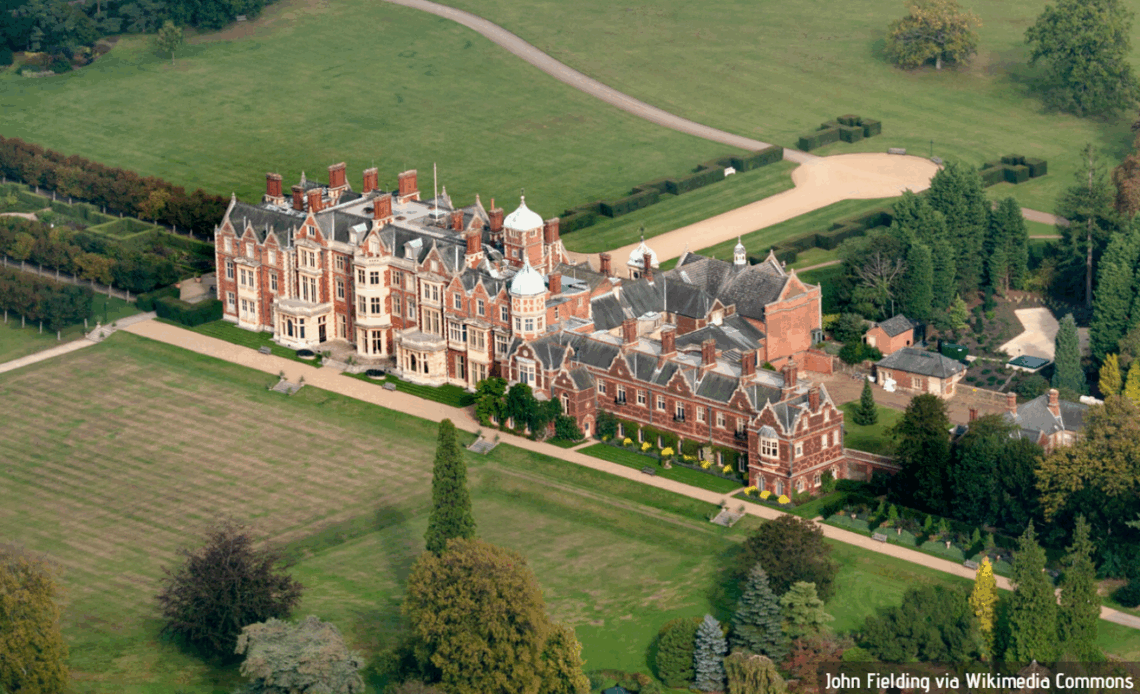
The King owns several properties privately, including Sandringham House in Norfolk and Balmoral Castle in Scotland, which he inherited from his mother. However, the proposed surcharge applies to properties in England, meaning Balmoral would not fall within its scope.
Other royal residences have different ownership arrangements. Buckingham Palace and Windsor Castle are held by the Crown Estate, rather than being the King’s private property.
The Crown is generally exempt from taxation under existing legislation, with government guidance stating that it is outside the scope of taxing acts unless Parliament specifically makes it liable.
However, the reported decision by Charles to voluntarily pay the mansion tax would mean the exemption would not necessarily prevent him from contributing to the new charge.
The question of which royal properties will ultimately be affected is still being considered, with the final arrangements expected to be determined through the legislation and decisions made by Parliament.
Other members of the Royal Family could also face the surcharge depending on the ownership arrangements of their homes.
Prince William’s position could be particularly interesting, as Highgrove House in Gloucestershire is owned by the Duchy of Cornwall, which he now holds as Duke of Cornwall.
Princess Anne owns Gatcombe Park, which was gifted to her by the late Queen in 1976, while Prince Edward leases Bagshot Park from the Crown Estate under a long-term agreement.
The arrangements for royal properties could therefore result in different members of the Royal Family facing different responsibilities under the new tax, depending on whether they own their homes, lease them or occupy properties held by the Crown.
The reported decision by the King to pay the charge voluntarily would continue the Royal Family’s approach of contributing to certain taxes despite its constitutional exemptions, as the new surcharge prepares to come into force in 2028.