
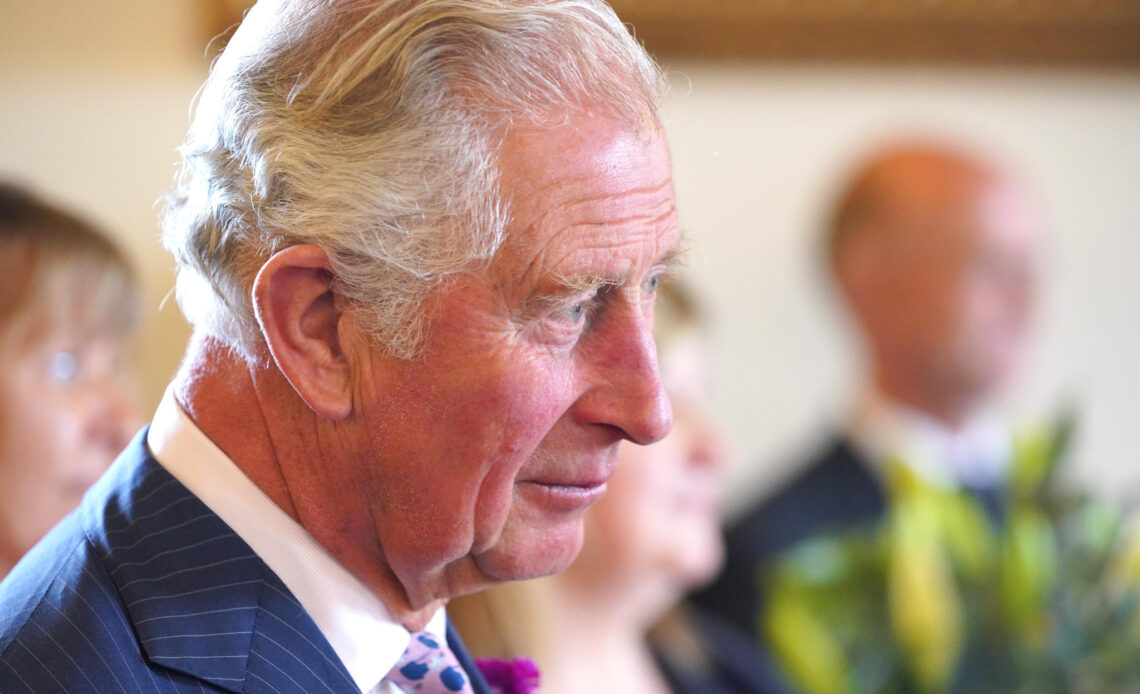
King Charles is facing renewed pressure to issue a formal apology for the monarchy’s historic involvement in the transatlantic slave trade, after new research detailed the extent to which the British crown and Royal Navy profited from and protected the trade for centuries.
According to the Guardian, MPs, historians and human rights campaigners say expressions of “personal sorrow” – previously voiced by the King – no longer go far enough, as evidence mounts of the institutional role played by the monarchy in one of history’s gravest crimes.
The intervention follows the publication this week of The Crown’s Silence, a book arguing that successive monarchs, from Elizabeth I to George IV, actively used the trade in enslaved African people to strengthen imperial power and increase royal revenues. The author contends that by the early 19th century the British crown had become the single largest purchaser of enslaved people, shortly before Parliament outlawed the trade in 1807.
While Charles has spoken of his sadness at the suffering caused by slavery and pledged to find “creative ways to right inequalities that endure”, no British monarch has ever issued a formal apology on behalf of the crown.
Bell Ribeiro-Addy, the Labour MP for Clapham and Brixton Hill and chair of the all-party parliamentary group on Afrikan reparations, told the Guardian that personal regret was insufficient given the scale of the crime.
“This isn’t about individuals,” she said. “It’s about the monarchy as an institution. What is needed is not simply an apology, but acknowledgment of this history and action to address its lasting legacy of global racism and inequality.”
She added that a formal apology could provide the foundation for “an honest national conversation” and meaningful reform.
The call has gained cross-party backing. Carla Denyer, the Green MP for Bristol Central – a city with deep historic ties to the slave trade – said a formal apology was “long overdue”, adding that “the descendants of enslaved people deserve nothing less”.
Dominique Day, a human rights lawyer with the UN working group of experts on people of African descent, said the consequences of slavery and colonialism continued to be felt in modern Britain, from policing and criminal justice to the Windrush scandal and the Grenfell Tower fire.
“An acknowledgment creates space for repair,” she said, “and the possibility of moving toward prosperity without exploitation.”
Pressure on the King is expected to intensify later this year when he attends the Commonwealth Heads of Government Meeting (CHOGM) in Antigua and Barbuda, where Caribbean and African nations are likely to raise the issue of reparations and historical accountability.
Brooke Newman, the historian behind The Crown’s Silence, said she hoped the book would move the debate beyond what she described as “culture wars” and towards evidence-based discussion.
“CHOFM will be a moment of both pageantry and protest,” she said. “2026 could be a pivotal year for Charles to decide whether the monarchy confronts this history directly.”
Buckingham Palace has been approached for comment.