
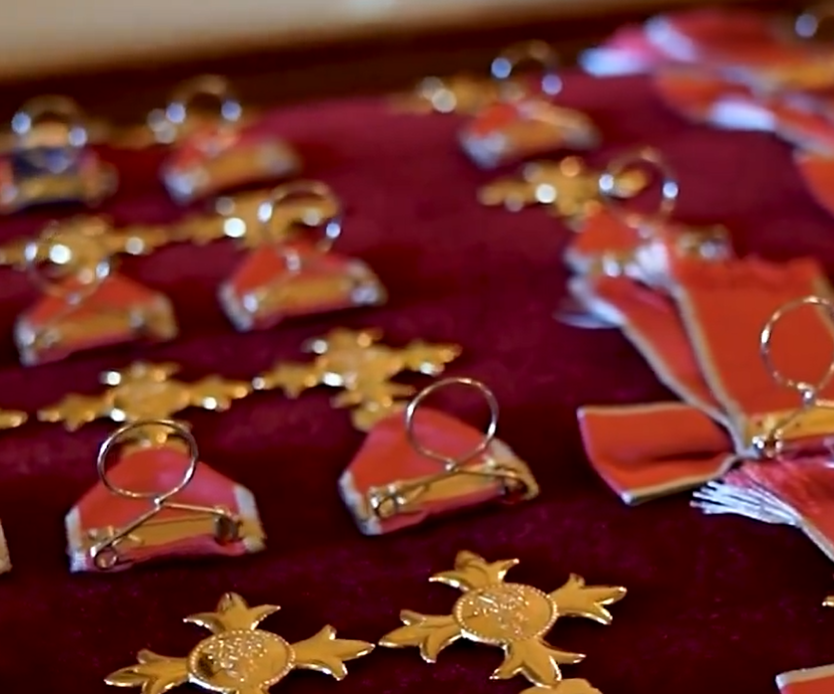
Following the decision to strip former Scotland rugby captain Stuart Hogg of his MBE, questions have arisen about how the rarely used process of revoking a royal honour actually works.
The decision to strip a public figure of a royal honour is rare and follows a formal process involving government officials, an independent committee and ultimately the monarch.
Honours such as MBEs, OBEs and knighthoods are awarded in the name of the sovereign, but the system is administered by the government through the Cabinet Office. When serious concerns arise about a recipient’s conduct, the case can be referred to the Honours Forfeiture Committee, which considers whether the award should be withdrawn.
The committee is chaired by a senior civil servant and includes representatives from government departments and the honours system. Its role is to review cases where an individual’s behaviour may bring the honours system into disrepute.
Most referrals occur after a criminal conviction, though other circumstances can also trigger a review. These may include professional misconduct, regulatory sanctions or behaviour judged to undermine the integrity of the award.
Once a case is referred, officials gather relevant evidence and the committee examines the details before deciding whether forfeiture should be recommended. The individual concerned is normally informed and given the opportunity to make representations before a final decision is reached.
If the committee concludes that an honour should be removed, it makes a recommendation to the Prime Minister. The Prime Minister then advises the monarch, who has the formal authority to approve the cancellation.
When the decision is confirmed, a notice is published in the official public record, The Gazette. The wording typically states that the monarch has directed that the appointment be “cancelled and annulled” and that the individual’s name be removed from the register of the relevant order.
Although the sovereign gives the final approval, the decision is effectively taken following the committee’s recommendation and ministerial advice, meaning it is not a personal decision made by the King alone.
Honours forfeiture remains uncommon. Most recipients retain their awards for life, but those who have lost them have often done so following serious criminal convictions, including fraud, sexual offences or other conduct considered incompatible with the prestige attached to national honours.
Publication in The Gazette formally completes the process, marking the moment when the individual’s award is officially withdrawn and their name erased from the record of the honour they once held.