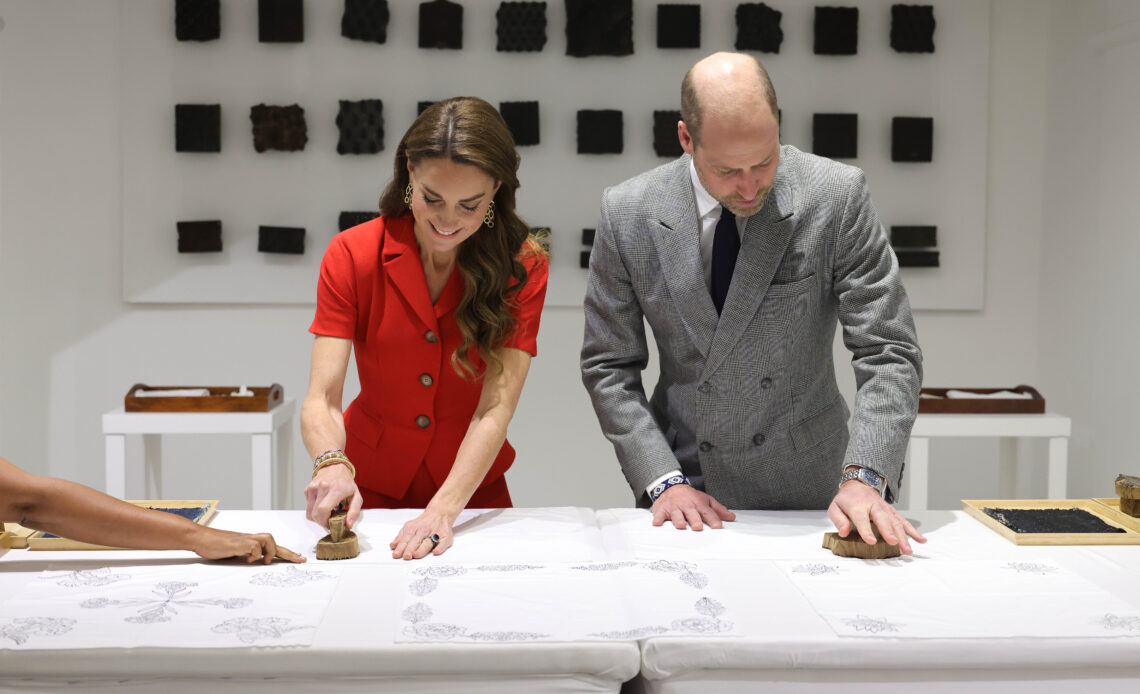
The Prince of Wales got almost as much attention for his wardrobe during the official visit to India as Kate did this time round.
Prince William chose a mix of traditional Indian items and trademark pieces from his wardrobe to make sure it was a stylish three days.
At the end of the trip, he revived a look that had made an appearance at a previous Earthshot Prize ceremony – the multi million pound awards were central to this visit.
(Andrew Parsons/ Kensington Palace)
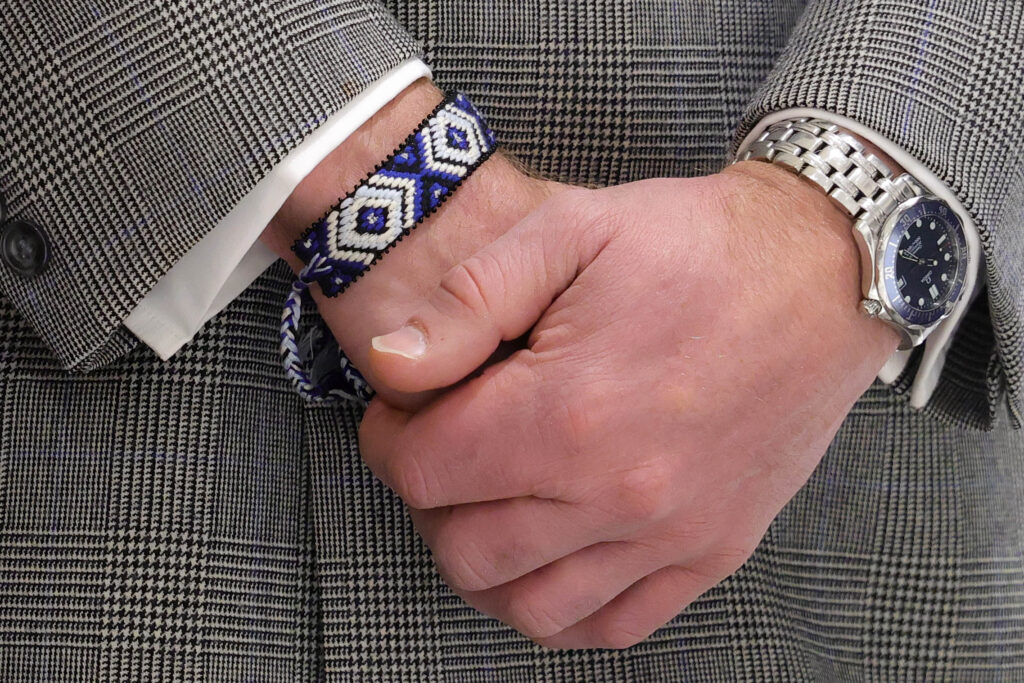
And William ended his engagements in Mumbai with a piece in a pattern that he has more claim than most to wear. William opted for the Prince of Wales check, choosing a double breasted blazer in the distinctive print. It was also worn when the Earthshot Prize was held in South Africa.
Several Princes of Wales have worn the check in their time but the one who gave their title to pattern was, in fact, the man who went on to become Edward VII.
Back when he was still known as Prince Albert Edward – or Bertie to his friends and family, this Prince of Wales was a dedicated follower of fashion. Always keen to look as stylish as possible, he caught sight of a check pattern chosen by a countess for her servants to wear when they were out in the wilds of her Scottish estate on freezing winter days and decided this was the check for him.
Caroline, Countess of Seafield had garbed her gamekeepers in a tough, warm fabric known as Glenurquhart check for those days when their job was spent in very cold conditions. She’d got the idea from a fabric popular in the area around her beloved home at the Glenurquhart estate in Invernesshire. And soon afterwards, Prince Albert Edward caught sight of it and started getting his rather fashionable London tailors to rustle him up outfits in the same pattern.
Bertie, a regular sight in the most fashionable parts of London and Paris as well as a darling of the Victorian gossips, became so attached to the fabric that it was soon dubbed ‘Prince of Wales’ check. The name stuck, possibly because being royal has always sold and possibly because it’s easier to spell than Glenurquhart.

(By Garik 11 – Own work, CC BY-SA 3.0, Wiki Commons)
Traditionally, the plaid is made up for grey and white with dark and light stripes criss crossing to make an irregular check.
Fast forward several decades, and another Prince of Wales with an eye for fashion as well as all the things royals shouldn’t be caught doing, also decided to make the material his calling card. Prince Edward, Prince of Wales loved a spot of the check with which he shared his title. In fact, he liked it so much he kept on wearing it when he became King Edward VIII and when he gave up that title to marry Wallis Simpson. However, despite his close association with the material, it remained Prince of Wales check rather than Duke of Windsor plaid.
King Charles III showed a liking for the pattern when he was Prince of Wales and his first wife, Diana, famously wore it several times in the 1980s.
In recent times, the current Princess of Wales, Catherine, has picked the check for some of her outfits. But the Earthshot Prize is usually her husband’s big style statement of the year and after velvet dinner jackets, where else could William go other than to the Prince of Wales check?
It’s been a well received choice but the plaid isn’t always popular. Back in 1982, the then relatively new President of the United States, Ronald Reagan, wore the Prince of Wales check for an important European meeting and was roundly rubbished in the American press for being too casual. That is, until the fashion mavens involved found out that it was Ronnie’s formidable First Lady, Nancy, who had actually made the call at which point they decided not to pursue the matter further.