
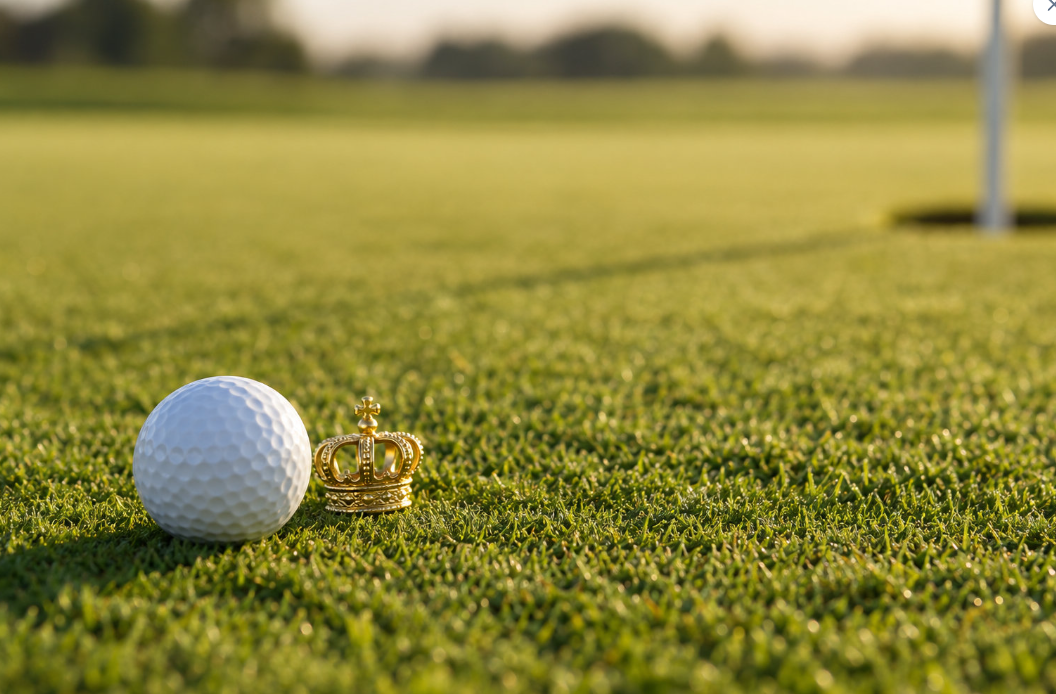
Across generations, golf has been woven into the fabric of royal life throughout Europe. The sport’s careful rules, social atmosphere, and association with tradition have made it a natural fit for royalty, both in public view and in private relaxation.
Golf’s enduring popularity among royal households may not be as widely publicised as other pastimes, yet its controlled pace and emphasis on etiquette make it especially suited to ceremonial settings as well as the more personal aspects of royal existence. For those interested in royal leisure pursuits, or even in golf betting, which sometimes follows high-profile golf events featuring royal spectators, the links between the sport and monarchy reveal much about both continuity and adaptation.
The origins of royal links to golf
Golf’s long-standing association with status and prestige can be traced back centuries, especially in Scotland, where historic monarchs are believed to have taken an interest in the sport. As golf transitioned from informal games to formalised competition, it attracted courtly interest and began to symbolise leisure and refinement.
Royal patronage played a role in establishing golf’s esteemed status. Monarchs and senior family members lent their presence and names to promote certain clubs or public competitions, increasing the sport’s visibility. This visibility helped normalise golf among higher society, eventually encouraging its spread beyond palace grounds and elite circles.
Modern royal engagement with golf
In the present day, royal engagement with golf takes several forms. For many, the sport remains a source of private recreation, away from the demands of public schedules. However, it is also common for royals to hold honorary club memberships, serve as patrons, or appear at charity tournaments and commemorative matches. These roles allow the monarchy to promote not only the sport but also wider charitable or social causes.
Media coverage can intensify whenever royals attend high-profile golf events, particularly if they play alongside notable figures or are seen upholding tradition. Such moments draw interest both for what they reveal about evolving royal routines and for the symbolic message they send about modern monarchy adapting to new public expectations.
Golf as soft diplomacy and relationship building
Golf courses have provided royal families with opportunities for informal diplomacy. Unlike official banquets or state meetings, a shared round of golf can enable conversation in a relaxed environment. Royals have used these settings to strengthen relationships with political figures, cultural leaders, and other members of the aristocracy.
Charity golf days and friendly matches can carry symbolic value, demonstrating how royal families can engage with the public in accessible but dignified ways. Such events merge tradition with approachable gestures, reinforcing mutual respect between the royal family and broader society.
Rituals, etiquette, and the royal image
Dress codes, pre-game protocol, and the ceremonial yet understated presentation of royals on the golf course uphold an air of continuity. While some customs adapt to contemporary standards, such as more inclusive club atmospheres, there remains a careful balance between tradition and modern accessibility.
Royal participation helps solidify golf’s image as a sport steeped in heritage and order. In return, the monarchy benefits from an association with continuity, self-discipline, and a willingness to embrace activities popular among the public or cultural elite.
Public perception and the media lens
Widely reported royal appearances on the golf course, whether in Britain or other parts of Europe, can shape the way the sport and the family are seen. Well-timed photographs or video clips, circulated through press and digital platforms, often portray these occasions as symbols of stability or strategic modernisation. The coverage itself frames the monarchy as accessible yet anchored in tradition.
Challenges of tradition and accessibility
Royal engagement with golf sometimes attracts criticism, particularly regarding perceived exclusivity or the use of land for private courses. Critics have raised questions around how these activities align with shifting expectations for openness and societal responsibility. In response, royal families have increasingly opened events to the public, used their influence to promote accessibility, and supported initiatives making heritage sports available beyond elite circles.
The ongoing appeal of golf in royal life
As royal traditions evolve, golf remains a visible and symbolic thread in coverage of royal leisure. The sport’s association with structure, fair play, and sociability continues to provide compelling moments for press, public, and participants alike. That enduring relationship illustrates both a respect for the old and a willingness to include new audiences, reaffirming why golf still resonates as part of the royal identity in Europe.