
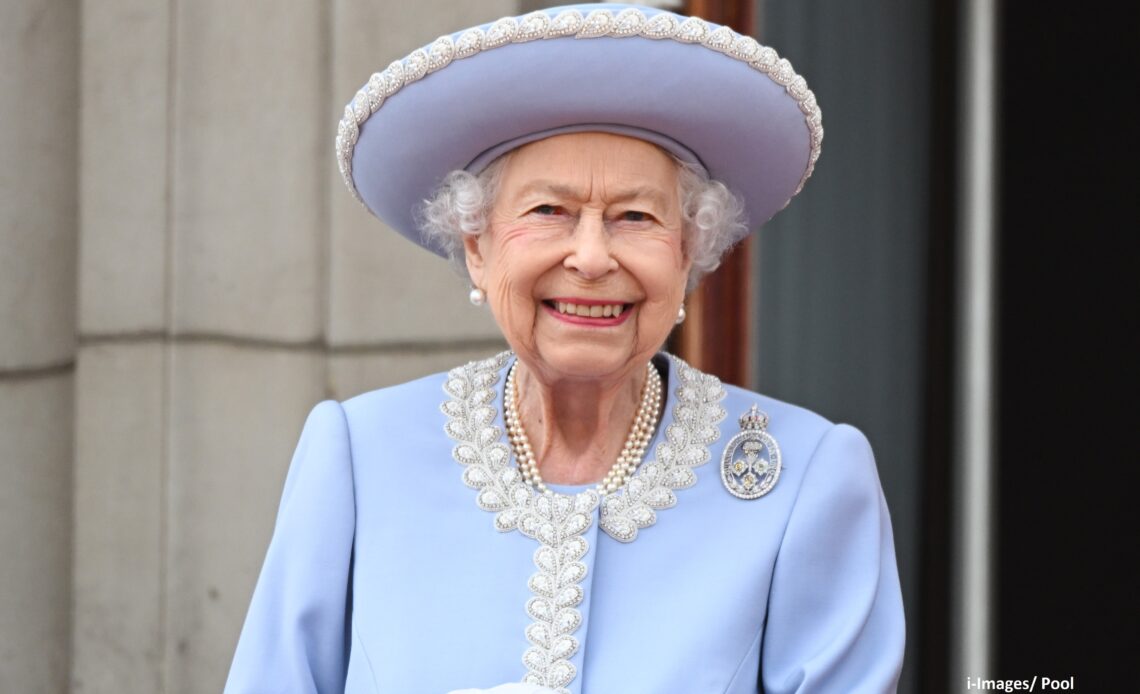
As Britain marks the 100th anniversary of the birth of Queen Elizabeth II, an old constitutional question has resurfaced: how will history ultimately remember the late sovereign?
For many, she will simply remain Elizabeth II – the longest-reigning monarch in British history, whose 70 years on the throne spanned war, social transformation, political upheaval and the dawn of the digital age. Yet others have long wondered whether historians may one day attach a rarer distinction: Elizabeth the Great.
It is a title used sparingly in British history. Only one English monarch is widely known by that epithet: Alfred the Great, who ruled from 871 to 899 and was credited with defending his kingdom against Viking invasions while laying foundations for a more unified England.
Other sovereigns gained labels of a different kind. William I became William the Conqueror after 1066, while Richard I entered popular memory as Richard the Lionheart, reflecting his reputation as a warrior king.
Such titles were not bestowed by formal ceremony. They emerged gradually through popular memory, chroniclers and later historians. That remains true today. There is no constitutional mechanism by which a monarch is officially declared “the Great”.
The question therefore becomes whether modern standards for greatness have changed.
In earlier centuries, greatness was often linked to battlefield success, conquest or state-building. Constitutional monarchy in the 20th and 21st centuries demands something very different: restraint, political neutrality, continuity, public duty and the ability to embody national stability through moments of uncertainty.
By those measures, supporters of the idea argue that Queen Elizabeth II built an exceptional record.
Ascending the throne in 1952 at the age of 25, she guided the monarchy through the decline of empire, the Cold War, constitutional reform, changing public expectations and the rise of mass media. She worked with 15 British prime ministers, from Winston Churchill to Liz Truss, while maintaining the strict impartiality expected of the Crown.
Her annual Christmas broadcasts, wartime generation stoicism and visible sense of duty gave many Britons a sense of continuity during national crises, from recession and terrorism to the Covid pandemic.
Critics, however, argue that “the Great” should be reserved for transformational rulers whose reigns fundamentally altered the state. Others contend that in a constitutional system, personal influence is necessarily limited and modern monarchy operates under constraints unimaginable to medieval kings.
Yet even many sceptics accept that the late Queen mastered the central challenge of modern monarchy: remaining relevant without becoming political, symbolic without seeming distant, and traditional without appearing immovable.
Whether history eventually settles on “Elizabeth the Great” may take decades. Such judgments are rarely immediate.
But on her centenary, one conclusion already seems secure: Queen Elizabeth II set the benchmark by which future British monarchs will be measured.