The papers were filled with royal news in April 1926 and one event, in particular, needed plenty of coverage. King George V and Queen Mary were about to become grandparents again as their second son and his wife, the Duke and Duchess of York, were expecting their first child. Little did anyone know at the time that this royal baby mania would actually precede the birth of the girl who would grow up to be the longest reigning monarch in British history.
All anyone knew was that royal news was good news in April 1926 and so any even vaguely regal story was a must have. Cue the mystery of the missing diamond earring.
A lost royal jewel
In what sounded like the start of a book by the then up and coming author, Agatha Christie (and she’d be making her own headlines later in 1926), the police had been called in to search for a missing royal diamond.
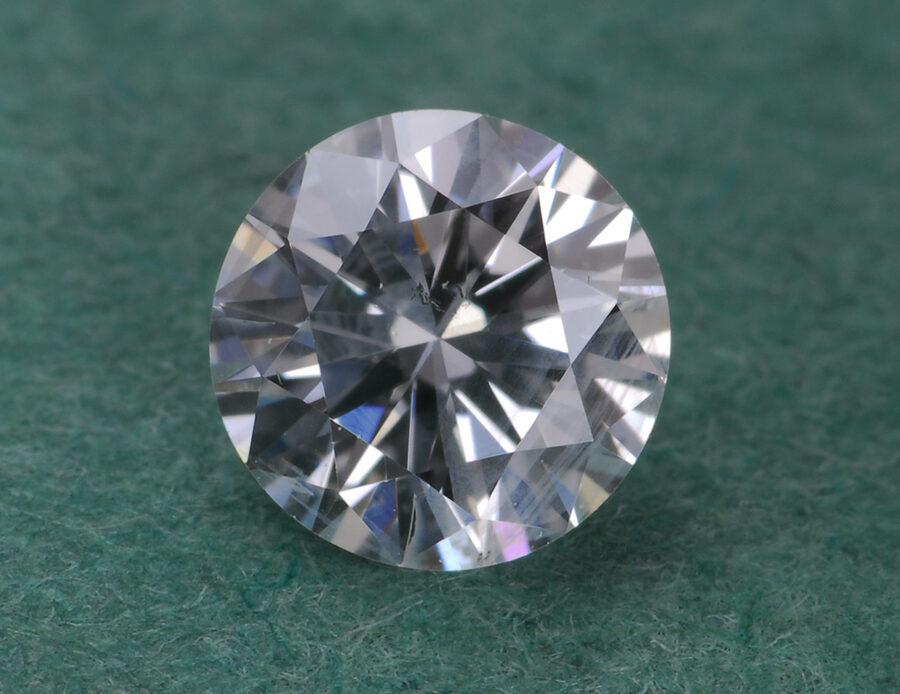
The gem in question had been part of an earring that had mysteriously disappeared in Hyde Park just days earlier. On April 3 1926, the Daily Express broke the news, saying the gem ”weighs three carats, and is valued at £300”. That’s about £24,000 in today’s money.
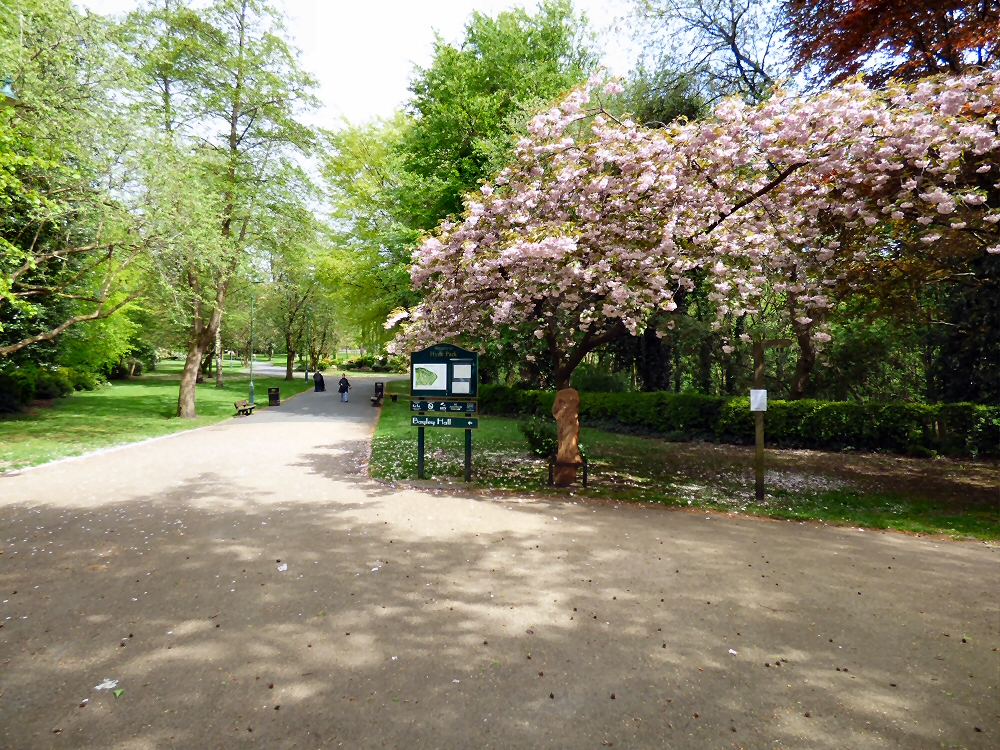
(Gerald England, CC BY-SA 2.0, Wiki Commons)
To make it even more mysterious, the jewel was found to be missing ”at the end of a motor drive in Hyde Park”. The paper reported that ”the motor-car was thoroughly searched” but ”the stone could not be found.” Now, the case had been handed over to the police with officers from Vine Street being called in.
The only clue to the owner of the earring was that it was a member of the Royal Family who had been in London the previous week-end. And so April 1926 began with a queen or princess, a motor car and a hugely valuable diamond that had disappeared without trace. A proper case for Poirot.
Royal home move
The papers of April 1926 had, so far, been filled with stories about a new home for the Duke and Duchess of York. The couple were known to be on the move for very special reasons, although very few journalists actually said the quiet part out loud. While everyone knew that the duchess was about to have a baby, no one put it that way, instead hinting at ”happy news” or ”the most joyful of reasons”.
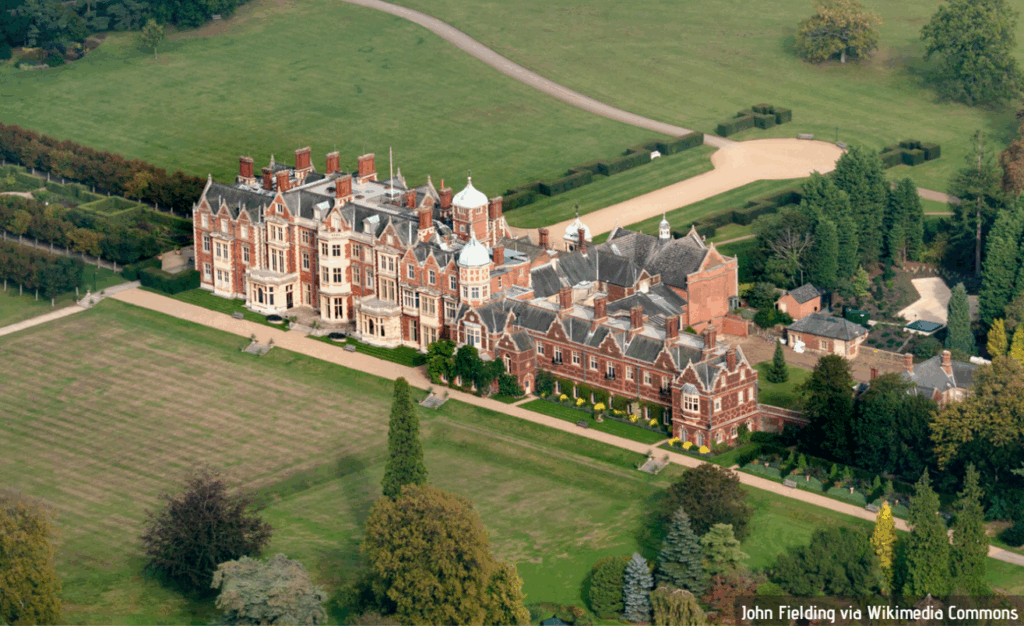
The London home of the duke and duchess was what excited most attention but on April 3, their country residence came up for discussion in the North Down Herald and County Down Independent which carried the syndicated column called ‘A Woman in London’, written by Sylvia Mayfair. On April 3, she was excited to tell readers that ”The King and Queen have spent the greater part of the last week at Sandringham. Part of their time was taken up with inspecting the alterations and renovations which are being carried out at Sandringham House. When it is ready for their occupation, it is expected that Their Majesties will give York Cottage, Sandringham, over to the Duke and Duchess of York, as their country residence.”
Sylvia missed the target on that one. The Yorks never did use York cottage but in April 1926, any royal news that mentioned them was worth printing. Sylvia knew her business.
Royal childcare advice
Given that everyone knew there was a royal baby on the way, even if it wasn’t being overtly stated, one paper found a cunning way to catch the trend and headlined a piece on April 3 1926 as ”Bringing up a Royal Family”. It appeared to have been written by the Queen of Spain. In fact, it was a series of observations from a writer called Constance Drexel who interviewed Queen Victoria Eugenie, a granddaughter of Queen Victoria, and published the results in Pearson’s Magazine. The Staffordshire Advertiser leapt on it.
Fortunately for Queen Ena, and for Constance Drexel, the writer had found the royal children ”remarkably alert…interested in everything…absolutely at ease and never bored.” The Spanish queen told the writer that her children were being raised ”to understand they are just ordinary people without an expectation of special privileges but with only a greater sense of responsibility for good behaviour.”
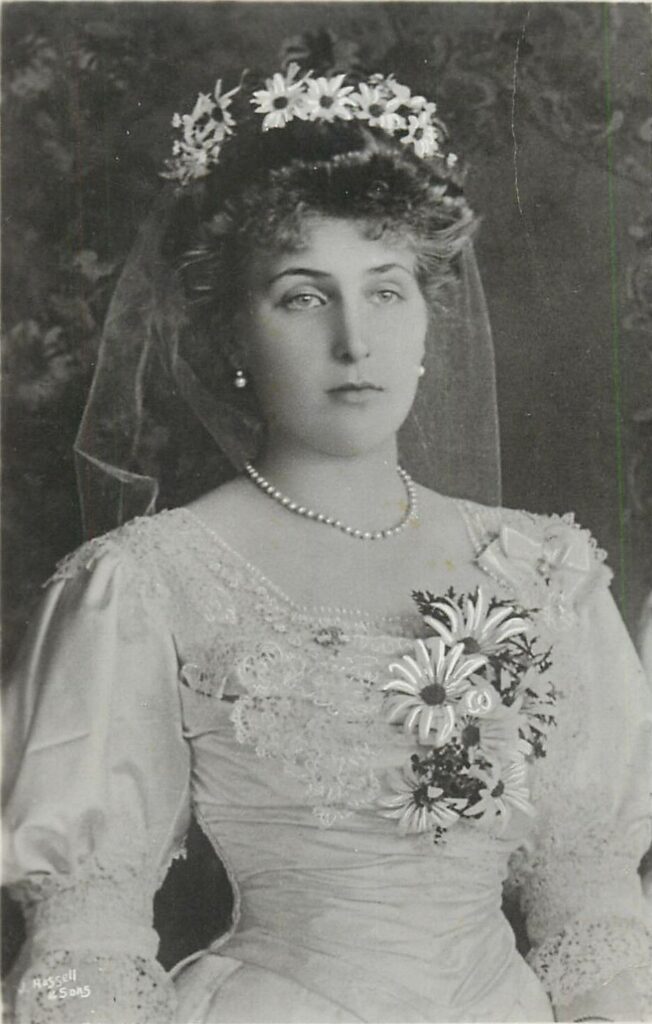
(Public Domain, Wiki Commons)
Queen Ena, who had grown up in Scotland and London before marrying King Alfonso XIII of Spain, also said that her eldest son ”is going to be a farmer….Spain is eighty per cent agriculture.” At the time, Prince Alfonso was also heir to the throne although he never ended up reigning. Ena, who clearly had a knack for PR, added that her third son ”is going to be an engineer, he has already decided that.”
In fact her third son ended up engineering, partly, the restoration of Spain’s monarchy. The Infante Juan, for that was his name, ended up in exile with his parents and siblings in 1931 but never took his eye off the throne. His elder son became King Juan Carlos in 1975 and his grandson now reigns as King Felipe VI.
A pain in the ear
Ena’s second son also made the news on April 3 1926, despite his mother not having attributed any bizarre career ambitions for him in her interview. Infante Jamie, Duke of Segovia, and then aged 17, was reported by the Rochdale Observer to have just left England after ‘a further three weeks’ course of treatment for ear trouble.’
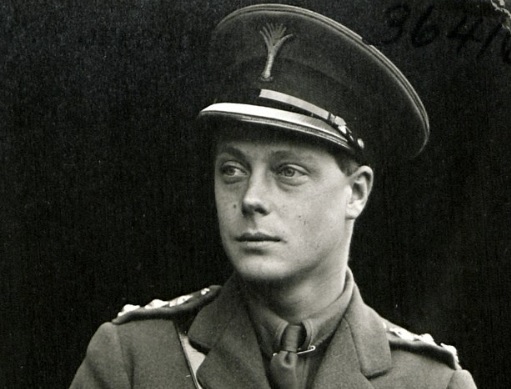
He wasn’t the only royal getting earache. The paper wasn’t the only one to note that the Prince of Wales, the future Edward VIII, had had to undergo minor surgery just days earlier and informed its readers that the cause was ear trouble. Sadly, for Edward at least, the operation meant he had to postpone his Easter plans to head to Biarritz.