They were one of the most talked about royal documents of the last years of the reign of Queen Elizabeth II but they had already had a major impact on her own life. The Letters Patent of 1917 became global news as various members of her Royal Family hit the headlines for the wrong reasons and talk turned to taking away titles. However, the late Queen herself had found her own first title dictated by these very same Lettes Patent.
George V’s new royal rules
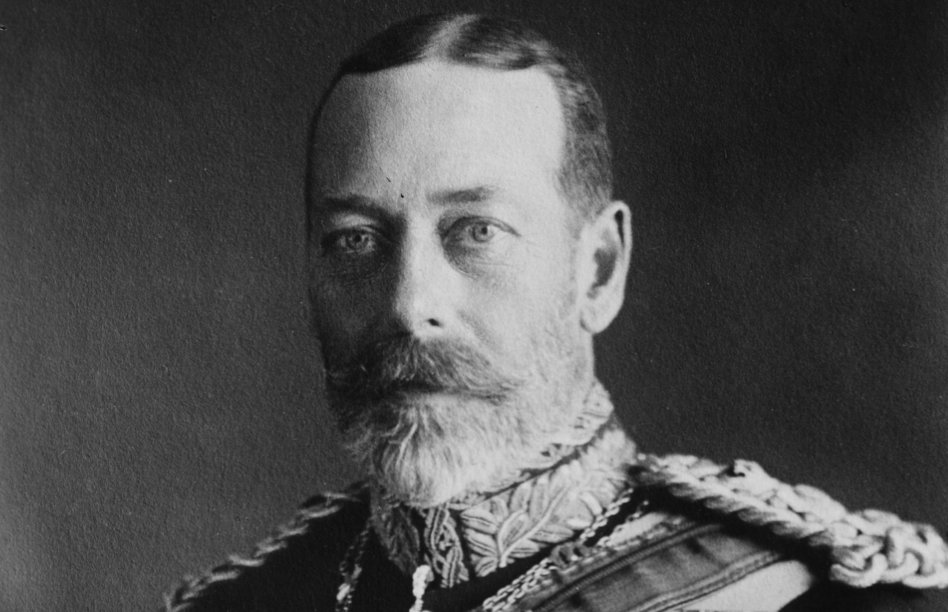
The Letters Patent had been issued by King George V in 1917 as he sought to tidy up his family’s image and make them seem very British indeed. George had become king when the ruling dynasty was called Saxe-Coburg-Gotha but by 1917, as the Great War with Germany continued, this was seen as completely unsuitable. And so the king changed his dynasty’s name to Windsor and removed the usage of German titles by his relations. By December that year, he was ready to issue Letters Patent to neaten everything up and on December 11th, his definitive list of who was royal was published.
Although it’s been much debated in recent times, George’s wartime Letters Patent was, in effect, a way of limiting titles. They are very specific and have already had to be altered several times to ensure that future monarchs weren’t born with no royal title at all. His 1917 rules state that the HRH and Prince/Princess and the same rules apply to grandchildren in the male line, that is the children of a Sovereign’s sons. In 1926, this brand new rule was applied for the first time.
Grandpapa England
George V and Queen Mary had first become grandparents in 1923 when their only daughter, Princess Mary, gave birth to a baby boy. ,In 1924, she had a second son and neither of her children were HRH or prince. They were grandchildren of the Sovereign in the female line and so took their tiles from their father. At that point in time, he was Viscount Lascelles and so the boys were known as the Honourable George Lascelles and the Honourable Gerald Lascelles.
In 1926, George V and Mary’s second son was set to become a father. For the first time, the couple would welcome a grandchild in the male line. The baby was born on April 21 1926 at 17 Bruton Street, Mayfair. A little girl, she soon became the apple of her grandfather’s eye. She would call him Grandpapa England. Thanks to him, everyone else called her HRH and Princess.
A royal title for a royal history maker
At the time of her birth, this little princess wasn’t thought of as a future monarch. She was third in line to the throne behind her father, the Duke of York, and his very glamourous and eligible brother, the Prince of Wales, who was expected to marry and have a family all of his own. And so the baby born HRH Princess Elizabeth of York, on April 21 1926, was expected to fade into the background of royal life.
It may even be that her grandfather, who had seen his own beloved cousin lose his life because of his royal status, wondered if being HRH and Princess was really the best course for baby Elizabeth as her path seemed to point towards gentle obscurity as the cousin of a future monarch. In the end, the Prince of Wales became King Edward VIII who abdicated within a year and placed his brother, the Duke of York, on the throne as King George VI. HRH Princess Elizabeth became heir to the throne and, on February 6 1952, she acceded on the death of her father. The baby who was HRH by Letters Patent was now the Sovereign who could issue Letters Patent herself.