
There was a time when a royal visit meant something. It came with a purpose, an official framework and a clear understanding of who was representing the Crown.
Then there is Harry and Meghan in Nottingham.
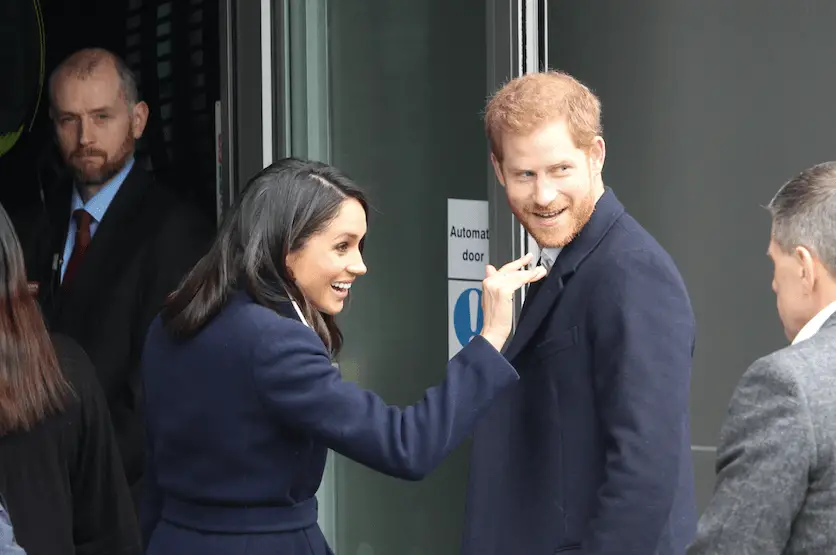
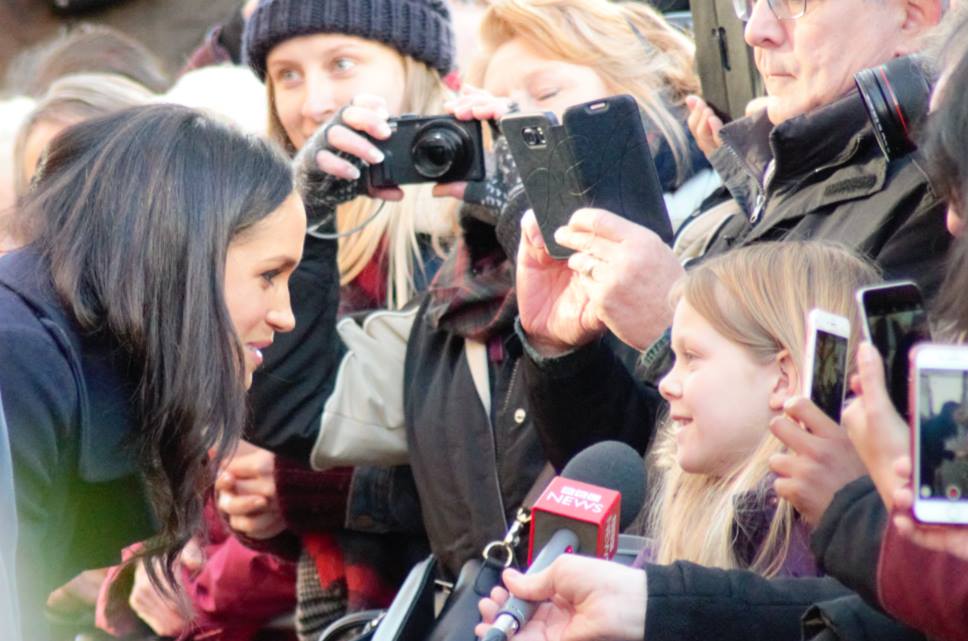
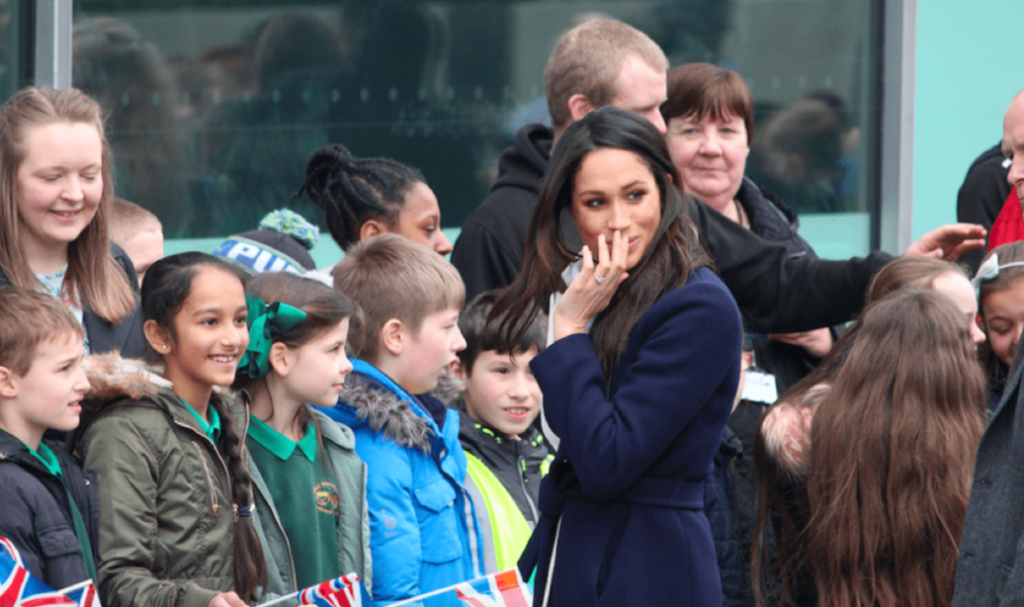
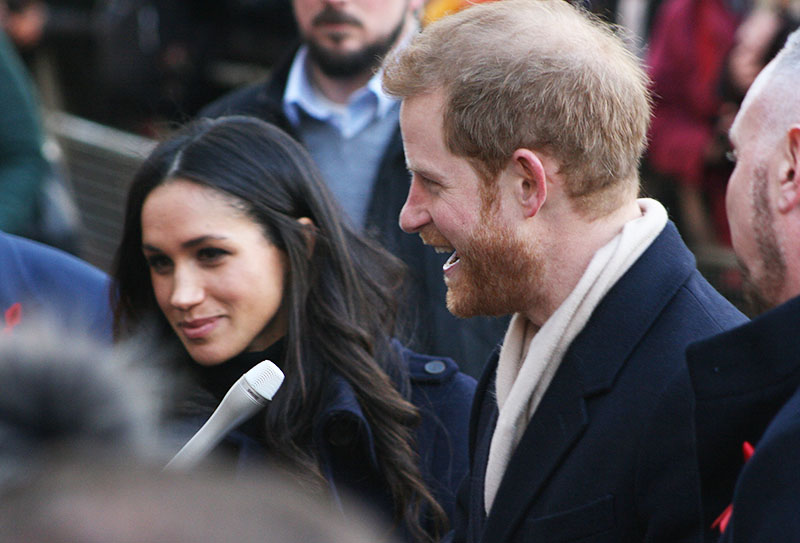
The Duke and Duchess of Sussex swept into the city on Thursday, greeted by cheering crowds, bouquets of flowers and people eager to catch a glimpse of them. They visited community organisations, met young people, took part in activities and worked their way through a programme of carefully arranged public appearances.
Sound familiar? It should. It looks remarkably like a royal visit.
There is just one rather significant problem: Harry and Meghan are not working members of the Royal Family.
They chose to walk away from that role. They no longer carry out official royal duties on behalf of the King. They are not representing the Crown. Yet here they are, undertaking a series of engagements that look suspiciously like an attempt to recreate the royal life they left behind.
Welcome to the Sussexes’ increasingly curious world of royal appearances without royal responsibilities.
They left the royal family. So why are they behaving like it?
Nobody disputes Harry and Meghan’s right to visit Nottingham. They are entitled to support charities, champion causes and spend time with people doing valuable work in their communities. They do not need royal permission to do any of those things.
But that rather misses the point.
The issue is not whether they are allowed to visit a recording studio or a food bank. Of course they are. It is the manner in which these visits are presented, the attention surrounding them and the unmistakably royal character of the spectacle.
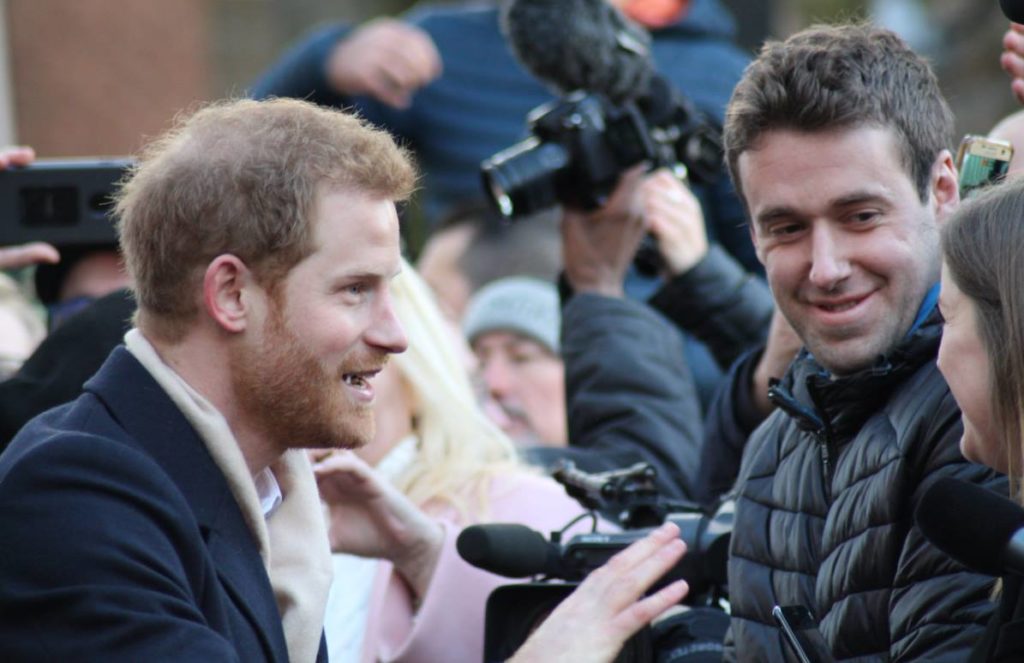
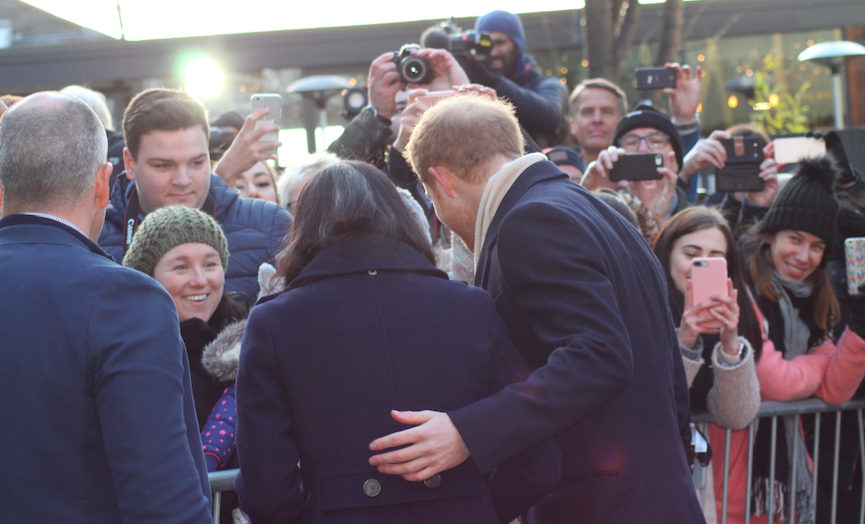
This was not simply a private couple popping in to see a local charity. The Sussexes arrived to crowds, posed for photographs, greeted well-wishers and followed a programme of public engagements across Nottingham.
Meghan reportedly told one woman in the crowd that it was “great to be back”. Harry chatted with schoolchildren. The couple moved from one organisation to another, with their every appearance attracting media attention.
And what, precisely, are we supposed to make of it?
They have abandoned the formal responsibilities of working royalty, but the public-facing performance remains. The walkabouts are there. The crowds are there. The photographs are there. The media coverage is there.
It is the royal experience without the royal job description.
The missing piece is the Crown
One detail is particularly telling: the reports of the visit did not describe a Lord-Lieutenant greeting the couple as the King’s representatives. That distinction matters!
A Lord-Lieutenant represents the Crown in a county. Their involvement in an official royal visit is part of the constitutional and ceremonial framework surrounding the monarchy. Harry and Meghan, however, were not visiting Nottingham as representatives of the King.
They were there in their own capacity.
There is nothing wrong with that. But it should be made abundantly clear, because the distinction between a royal engagement and a visit by two internationally famous members of the Royal Family is not merely a matter of semantics.
One carries the authority of an institution. The other does not.
Harry remains the King’s son. Meghan remains his wife. They retain their titles. But neither fact makes them working royals, and neither gives their activities the status of official royal engagements.
The Sussexes cannot have it both ways. They cannot step away from the monarchy’s official machinery and then expect their public appearances to be treated as if they are still operating within it.
A shadow royal family?
The phrase shadow royal family may sound dramatic, but it captures the uncomfortable question at the heart of this visit.
What exactly are Harry and Meghan trying to be?
They are not private citizens in the ordinary sense. Their titles, wealth, international profiles and connections ensure that their activities attract extraordinary attention. They can command crowds and headlines in a way that few other people can.
Nor are they working royals. They do not undertake official engagements on the King’s behalf.
Instead, they occupy an increasingly awkward space between the two: independent public figures who retain the status and visibility of royalty while operating outside the institution’s official structure.
Nottingham offered a striking illustration of that arrangement.
The Sussexes were able to undertake a programme of charitable visits, receive a public welcome and generate the sort of coverage routinely associated with senior royals. Yet this was not an official visit conducted on behalf of the Crown. It was a Sussex visit.
That distinction should not be buried beneath the familiar language of royal reporting.
There is a difference between supporting a charity and conducting what looks like a royal tour. There is a difference between being a celebrated public figure and representing the monarchy. And there is a difference between possessing a royal title and carrying out royal duties.
Harry and Meghan may be comfortable occupying that grey area. The public should not be expected to pretend it does not exist.
The problem with wanting the best of both worlds
The Sussexes’ defenders will rightly point out that they are doing good work. The organisations they visited support young people, tackle food poverty and provide opportunities to people who need them. Their work deserves attention in its own right.
But charitable causes should not be used to shut down legitimate questions about the Sussexes’ public role.
Good intentions, where they exist, do not resolve the underlying contradiction.
The British monarchy operates through a distinction between the King and those who represent him, and other members of his family who may retain royal connections without undertaking official duties. That distinction is not always straightforward, but it matters.
Working royals have obligations. Their engagements are undertaken within an established institution, and their public roles come with expectations that extend beyond turning up for a photograph.
Harry and Meghan made a decision to pursue a different life. They were entitled to do so. But a decision to leave the working monarchy inevitably means accepting that their future public activities are different from those of the people who remain.
They cannot simply recreate the most visible elements of royal life whenever it suits them.
If they wish to operate as independent philanthropists, they should be free to do so. If they want to support charities, they should be encouraged. If they want to visit Nottingham, nobody should stand in their way.
But there is no need to dress those activities up as a substitute royal operation.
Nottingham deserves better than another royal sideshow
The organisations the Sussexes visited have important work to do. Young people need support, families face hardship and community groups often operate with limited resources. Their work should be the story.
Instead, the arrival of Harry and Meghan inevitably turned the spotlight towards the couple themselves: their return to Britain, their relationship with the monarchy, the crowds, the photographs and the question of what their next move might be.
The charitable work risks becoming the backdrop to a much larger Sussex narrative.
That is the danger of a public role built around celebrity and royal identity rather than a clearly defined institutional purpose. Every visit becomes another chapter in the story of Harry and Meghan, rather than simply an opportunity to highlight the people they have come to support.
The irony is difficult to ignore. The couple have spent years establishing their independence from the Royal Family, yet their continued public appeal depends in no small part on their royal identity.
Strip away the titles, the royal connections and the fascination with their relationship with the Crown, and these would be two famous people visiting charities. There is nothing wrong with that. But it is the royal dimension that makes the visits such a major news event.
They cannot reasonably expect the benefits of that identity to disappear when inconvenient and return whenever it provides an advantage.
Make the choice clear
Harry and Meghan are free to build whatever future they want. They can be philanthropists, campaigners, entrepreneurs or celebrity figures. They can support causes in Britain and around the world. Their decision to leave royal duties does not oblige them to disappear from public life.
But the British public is entitled to ask for clarity. Are these visits private charitable activities by two independent public figures, or are they an attempt to establish a parallel royal role outside the institution they left?
The Sussexes are not the King’s representatives. They are not undertaking official royal duties. Their visit to Nottingham was not an official royal engagement, however familiar its outward appearance may have been.
That should be the starting point for any discussion of their public work.
Harry and Meghan have every right to make their own lives. They do not have a monopoly on charitable work, and they do not need to imitate the working monarchy to make a contribution.
If they want to be independent, they should embrace that independence fully.
Because Britain already has a Royal Family. It does not need a second, unofficial version operating alongside it – borrowing the spectacle of royal life while leaving the responsibilities behind.