
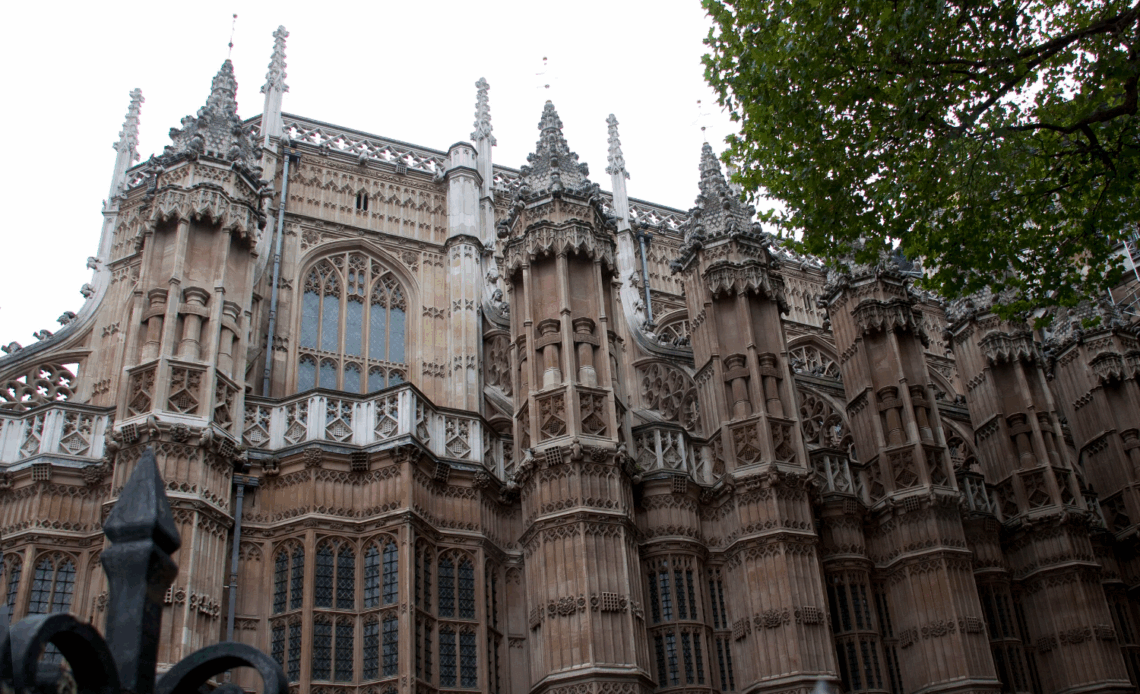
Hidden behind the Abbey’s high altar, beyond the familiar sweep of Westminster’s nave and transepts, lies a space that even regular visitors to the ancient church may never properly encounter. The Lady Chapel – formally known as the Henry VII Chapel – is among the most extraordinary rooms in Britain, a place where monarchy, memory and faith converge beneath a ceiling of astonishing intricacy.
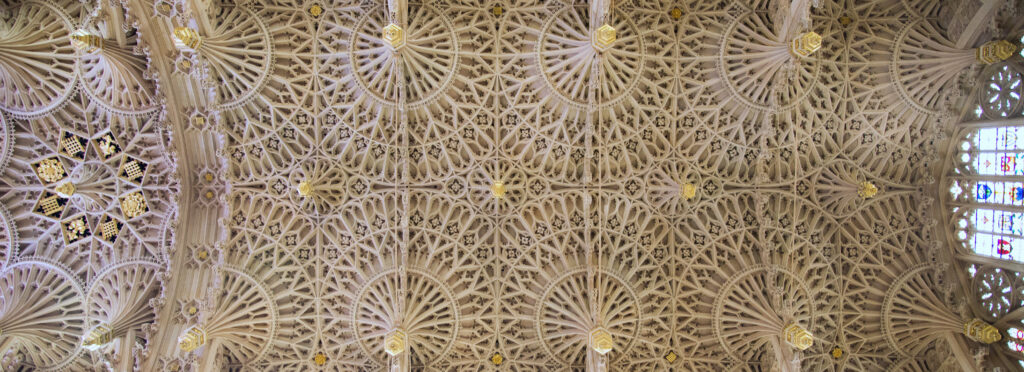
Built at the start of the 16th century by King Henry VII, the chapel was intended both as a devotional space dedicated to the Virgin Mary and as a dynastic statement. The Tudor monarch, keen to cement his legitimacy after the turbulence of the Wars of the Roses, spared little expense. The result is a soaring late-Gothic interior crowned by a fan-vaulted ceiling so elaborate that it appears almost weightless, its stone pendants hanging like frozen drops.
Light filters in through tall windows, catching the pale stone and lending the chapel an atmosphere markedly different from the darker medieval Abbey beyond. It is a place designed to inspire contemplation – and awe.
Yet the Lady Chapel is not merely an architectural marvel. It is also one of the most densely royal burial sites in the country. Fifteen kings and queens are interred here, including Henry VII himself and his wife Elizabeth of York, whose marriage united the warring houses of Lancaster and York. Nearby lie Charles II, restored to the throne after civil war and republican rule, and Queen Anne, the last Stuart monarch.
Their tombs are discreet, almost understated, set into the floor rather than raised in grand monuments. The effect is striking: sovereigns who once commanded nations now rest beneath the feet of worshippers and visitors, bound together in death within a shared sacred space.
Tucked within the chapel is an even smaller sanctuary, known to fewer still. The Royal Air Force Chapel occupies the easternmost apse and serves as a memorial to those who flew – and fell – in the Battle of Britain. Its stained glass window, installed in 1947, depicts the badges of the fighter squadrons that defended the country in the summer of 1940. The colours glow quietly, a reminder that Westminster Abbey is as much a place of national remembrance as royal ceremony.
The Abbey itself has long been entwined with moments of state: coronations, funerals, royal weddings and acts of thanksgiving. But the Lady Chapel, by contrast, feels almost removed from public spectacle. Access is limited. Services are intimate. Silence comes easily.
That sense of separation may explain why it holds particular resonance for a monarch whose reign has emphasised reflection, faith and continuity. As a place of pilgrimage – both literal and symbolic – the chapel reflects centuries of belief that the Abbey is not simply a historic building, but a living church at the heart of national life.
It is from this secluded and resonant setting that King Charles III will deliver his Christmas message in 2025, choosing the Lady Chapel as the backdrop for a broadcast watched by millions at home and abroad.
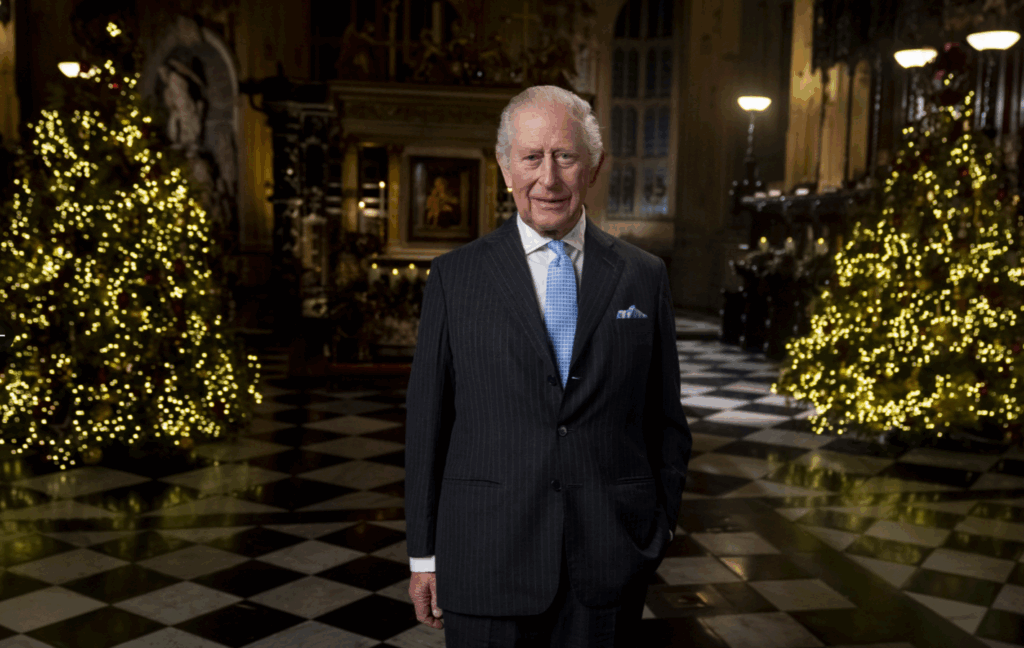
The decision marks a deliberate departure from the familiar grandeur of royal residences, placing the monarch instead within a space shaped by prayer, remembrance and the weight of history. Speaking from the chapel where kings and queens lie buried, and where national sacrifice is quietly commemorated, the King’s address is expected to draw on themes of pilgrimage, reflection and continuity – a message framed not by palace walls, but by the spiritual heart of the nation.
To stand within the Lady Chapel is to feel time compress. Tudor ambition, Stuart restoration, wartime sacrifice and modern monarchy coexist in a single, luminous space. It is not grand in the way a palace is grand, nor theatrical in the way royal ceremony can be. Instead, it is solemn, beautiful and enduring.